Choosing a rehabilitation programme is one of the most consequential decisions someone facing addiction or deep emotional wounds can make. For many people, the question isn’t just “Which rehab?” — it’s “Should I travel for it?”
The answer depends on personal needs, recovery goals, support systems and practical logistics. Travelling for rehab — especially to a dedicated, holistic centre such as Foundation Bali Rehab — offers unique benefits, but it also involves serious considerations. This comprehensive guide walks through the most important questions to ask before committing to a destination programme.
Why People Consider Travelling for Rehab
There are several powerful reasons individuals choose to attend treatment away from their home environment:
-
Removal from Triggering Environments
Changing physical surroundings can interrupt entrenched patterns of behaviour and social influences that contribute to substance use. -
Focused Recovery Environment
A destination programme often provides immersion: fewer distractions, no work obligations and a structured daily rhythm centred on healing. -
Holistic, Integrative Therapies
Many overseas centres—particularly those in calming natural environments like Bali — blend clinical treatment with mindfulness, nature exposure, yoga, expressive arts and somatic modalities. -
Privacy and Anonymity
Travelling reduces the likelihood of running into people from one’s social circles. This can ease fears about stigma and allow clients to engage more openly in therapy. -
Ritual of Change
Physically leaving familiar territory can symbolise a psychological transition — a clear “before” and “after.”
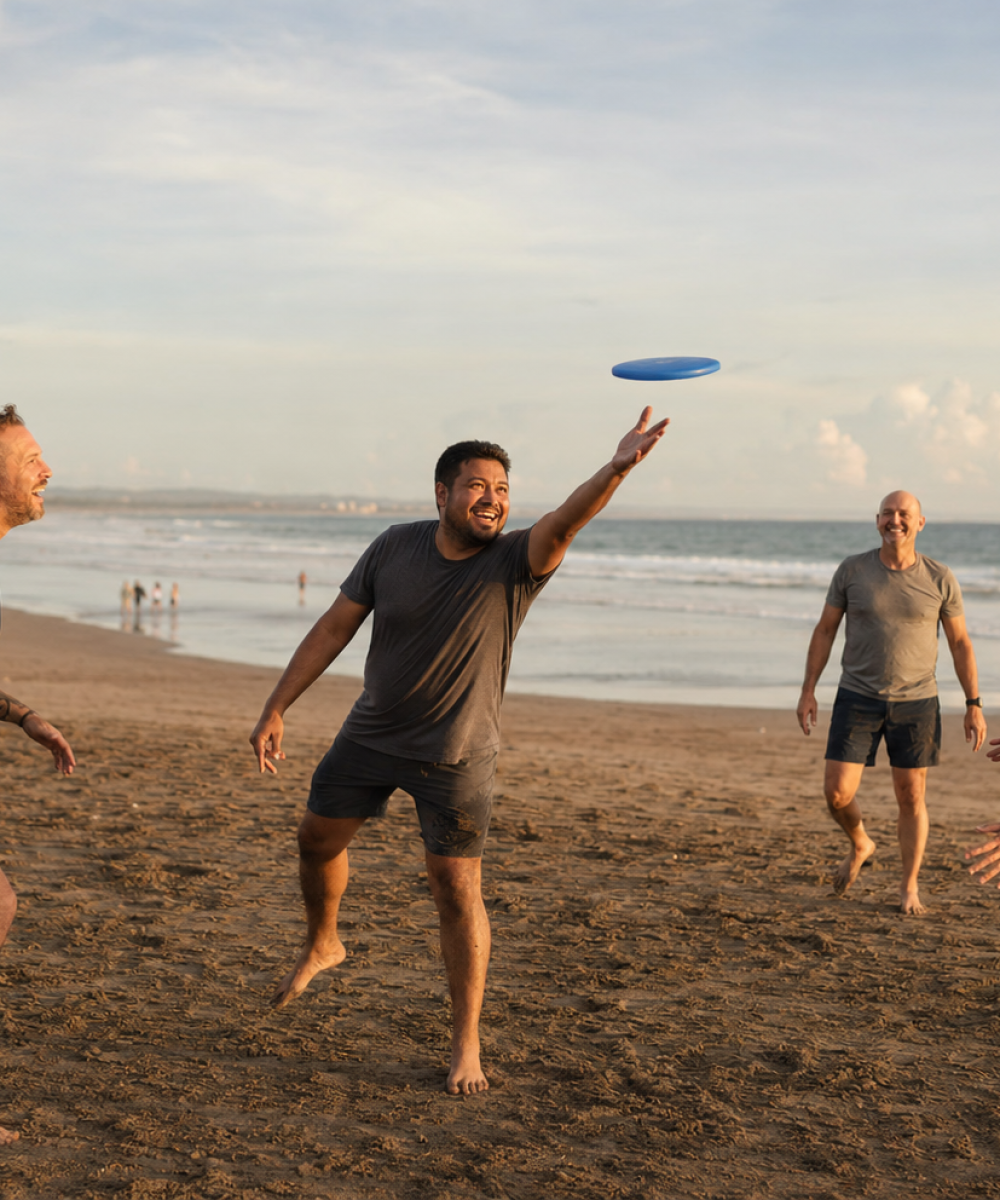
Foundation Bali Rehab situates recovery in a serene tropical setting, combining evidence-based clinical interventions with holistic practices that support mind, body and nervous-system regulation. For some people, that environment catalyses breakthroughs in ways that traditional urban treatment cannot.
However, travel for rehab is not universally appropriate. Before booking flights, it’s important to weigh several practical, emotional and financial considerations.
Key Considerations Before Choosing Travel for Rehab
1. Severity of Addiction and Medical Needs
Not all rehabilitation programmes are equipped to manage all levels of substance dependence.
-
Detox requirements:
Individuals with severe physiological dependence (e.g., heavy alcohol or benzodiazepine use) may require medically supervised detox with on-site physicians and 24/7 nursing support. -
Co-occurring conditions:
Depression, PTSD, anxiety disorders or chronic health issues may require specialised clinical expertise. Ask whether the programme provides integrated dual-diagnosis treatment and psychiatric support.
Action Step:
Confirm whether Foundation Bali Rehab has medical staff, detox supervision and psychiatric support appropriate for your clinical profile.
2. Travel Logistics and Accessibility
Travelling overseas for treatment involves planning:
-
Passport and visa requirements — international travel often requires advance documentation.
-
Flight costs and duration — long flights can be physically and emotionally exhausting.
-
Jet lag and acclimation — adjusting to time-zones and climate may affect initial engagement in therapy.
Travel stress can either amplify emotional dysregulation or be offset by the therapeutic environment once arrived.
Action Step:
Evaluate your physical health and travel readiness; ensure you can journey without undue risk.
3. Cost and Insurance Coverage
Destination rehabs vary widely in price, and many holistic programmes invest substantially in serene environments, qualified clinicians and therapeutic modalities.
-
Costs to consider:
Tuition, accommodation, flights, meals, transfer services, ancillary therapies. -
Insurance coverage:
Check whether private or international health insurance will reimburse treatment costs. Some programmes partner with insurers; others are cash-pay only.
Action Step:
Request a full cost breakdown from Foundation Bali Rehab, including what is and isn’t covered by insurance.
4. Support Systems Back Home
Recovery is a long-term endeavour. Travelling for treatment shouldn’t mean severing ties with crucial support networks unless necessary.
-
Family involvement:
Can loved ones participate in family therapy sessions via telehealth or in person? -
Work and social obligations:
Arranging leave, childcare or pet care is essential before departure.
While therapeutic distance from stressors can be beneficial, isolation from supportive relationships can also be destabilising.
Action Step:
Develop a reintegration plan that includes regular contact with family, friends and support groups.
5. Cultural and Language Factors
Attending treatment in another country raises questions about cultural fit and communication.
-
Language of therapy:
Confirm that all clinical sessions are provided in your preferred language. -
Cultural norms:
What might feel healing in one culture may feel unfamiliar or challenging to some clients.
A culturally affirming environment enhances therapeutic engagement.
Action Step:
Ask about cultural competence, interpreter availability and how staff adapt therapies to individual cultural needs.
6. Holistic vs. Traditional Treatment Philosophy
Different treatment centres emphasise different modalities:
-
Clinical psychotherapy (CBT, DBT, EMDR, trauma-focused care)
-
Holistic practices (mindfulness, yoga, nutrition, expressive arts)
-
Medical management (detox units, medication-assisted therapy)
Foundation Bali Rehab integrates clinical care with holistic practices rooted in natural surroundings. Some individuals thrive in this integrative format; others prefer a strictly clinical or medically oriented facility.
Action Step:
Clarify the therapeutic modalities emphasised and ensure they align with your recovery goals.

What Travelling for Rehab Can Provide
When thoughtfully chosen and well-planned, treatment abroad can offer:
A. Therapeutic Immersion
Days structured around healing with little interruption from daily life stressors.
B. Environmental Regulation
Exposure to restorative landscapes — beaches, gardens, mountains — supports nervous-system calming and emotional openness.
C. Holistic Integration
Mind, body and spirit become part of the recovery plan, not just the abstinence goal.
D. Reset of Social Patterns
Distance from triggering environments can reduce relapse risk triggers tied to specific people, places or routines.
These benefits can accelerate the early stages of recovery momentum — provided the centre has robust clinical and safety protocols.
Risks and Challenges
Traveling for rehab is not without challenges:
-
Homesickness and anxiety during early treatment days
-
Cultural adjustment stress
-
Unexpected expenses from travel or logistics
-
Difficulty accessing ongoing local support post-discharge
A strong aftercare plan is essential to maintain gains when returning home.
Aftercare and Continuity of Care
Recovery does not end with departure from the treatment centre.
Quality destination programs prioritize continuity by:
-
Setting up local support groups
-
Providing teletherapy follow-ups
-
Connecting with local clinicians
-
Offering relapse prevention coaching
A thoughtful aftercare strategy significantly improves long-term success rates.
Action Step:
Ask Foundation Bali Rehab for detailed aftercare planning services tailored to your home region.
Questions to Ask Before You Commit
-
What medical and psychiatric support is available on site?
-
What insurance plans are accepted?
-
What therapies are included and how are they credentialed?
-
How is cultural competence handled?
-
What is the aftercare plan once I return home?
-
Are family support resources provided?
-
How is safety managed for all clients?
-
What is the protocol for emergencies?
Your decision should be informed, not hurried.
Final Takeaways
Traveling for rehab — especially to a centre with holistic strengths and serene surroundings such as Foundation Bali Rehab — can offer profound benefits if chosen with clear intention, appropriate support and thoughtful preparation.
Ask yourself:
-
Is this environment conducive to my healing?
-
Are my clinical needs met here?
-
Do I have a robust aftercare plan?
-
Am I prepared for the emotional and logistical demands of travel?