Addiction rarely begins with a substance.
It often begins with pain.
For many individuals, trauma sits quietly beneath compulsive behaviour, shaping emotional responses, nervous system regulation and self-perception. When trauma remains unresolved, substances can become a form of relief, escape or emotional anaesthesia.
This guide explores how trauma influences addiction, how the brain responds to overwhelming experiences, and how trauma-informed recovery creates lasting change.

Understanding Trauma
Trauma is not defined solely by what happened. It is defined by how the nervous system responded.
A traumatic event overwhelms a person’s ability to cope at that moment. It leaves the body in a prolonged state of hyperarousal or shutdown.
Trauma may include:
-
Physical, emotional or sexual abuse
-
Neglect during childhood
-
Domestic violence
-
Sudden loss or grief
-
Serious illness or accidents
-
Bullying or social rejection
-
Chronic stress environments
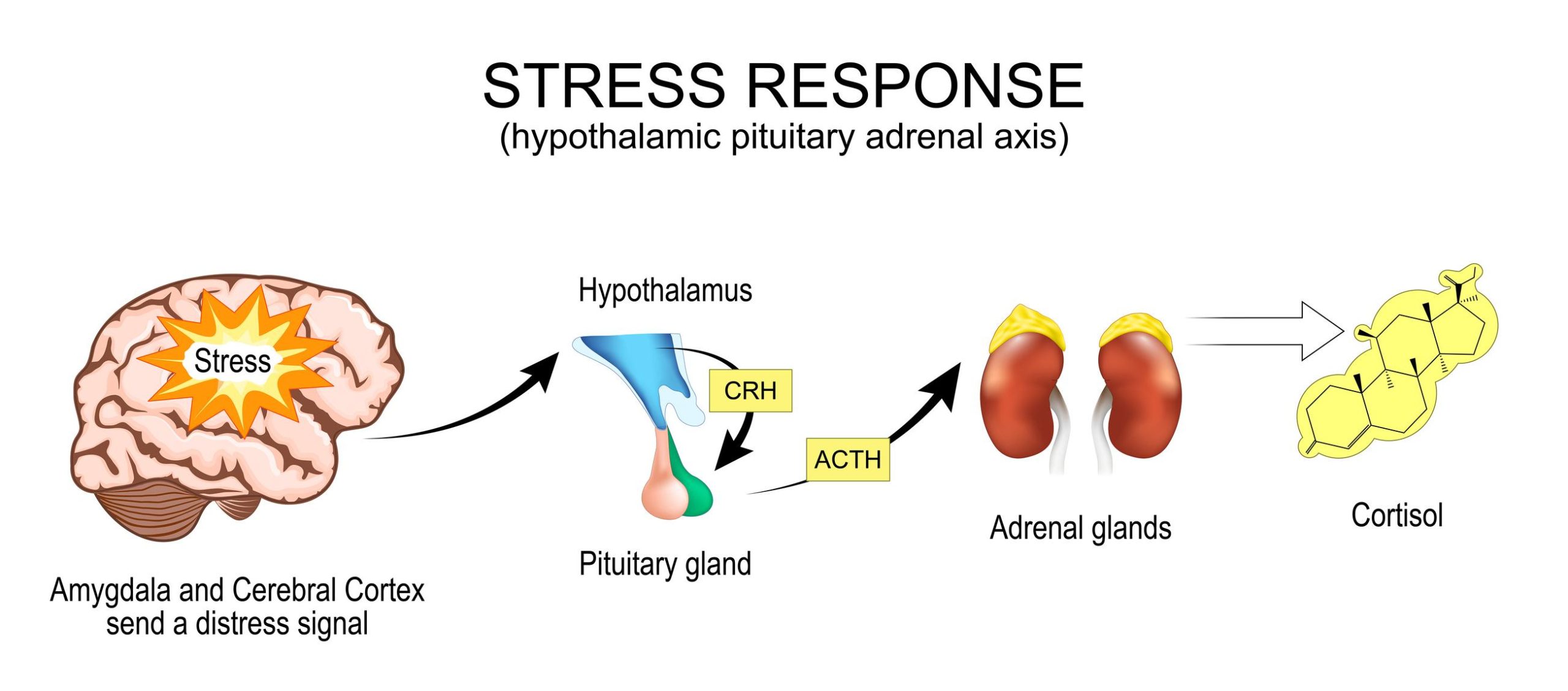
Research by Bessel van der Kolk, author of The Body Keeps the Score, demonstrates that trauma is stored not only in memory but in the body. It alters stress hormones, neural pathways and emotional regulation patterns.
How Trauma Alters the Brain
When a traumatic event occurs, the brain shifts into survival mode.
Three key areas become involved:
-
The amygdala – detects threat
-
The hippocampus – processes memory
-
The prefrontal cortex – manages reasoning and impulse control
Under repeated stress, the amygdala becomes overactive. The hippocampus may struggle to organise memories properly. The prefrontal cortex can become less effective at regulating emotional responses.
The result:
-
Heightened anxiety
-
Emotional reactivity
-
Impulsivity
-
Dissociation
-
Chronic tension
Substances such as alcohol, opioids or stimulants temporarily soothe or override this dysregulation. The relief feels powerful. The brain quickly learns the association.
The Self-Medication Cycle
Psychologist Edward Khantzian proposed the self-medication hypothesis, suggesting that individuals use substances to cope with emotional distress they cannot otherwise manage.
For example:
-
Alcohol may dampen hypervigilance and social anxiety.
-
Opioids may numb emotional pain or abandonment wounds.
-
Stimulants may counteract depression or emotional numbness.
-
Cannabis may soften intrusive thoughts or insomnia.
At first, the substance feels helpful. Over time, tolerance develops. The original trauma remains untreated. Dependency forms.
Addiction becomes an attempt to regulate what trauma disrupted.
Childhood Trauma and Addiction Risk
Early life trauma significantly increases vulnerability.
The landmark Adverse Childhood Experiences (ACE) study conducted by Centers for Disease Control and Prevention and Kaiser Permanente revealed a strong correlation between early adversity and later substance misuse.
Higher ACE scores correlate with:
-
Increased risk of alcoholism
-
Increased risk of injection drug use
-
Higher rates of depression and anxiety
-
Greater likelihood of suicide attempts
When a child grows up in an unsafe environment, their nervous system adapts for survival. In adulthood, that same survival wiring may manifest as addiction.
Trauma Types: Big T and Small t
Trauma is often misunderstood as only catastrophic events.
Clinicians distinguish between:
Big T trauma
Major life-threatening or extreme events.
Small t trauma
Chronic emotional invalidation, neglect, humiliation or instability.
Repeated smaller experiences can accumulate and impact self-worth, attachment patterns and emotional regulation just as significantly as singular large events.
Addiction frequently emerges from unresolved relational trauma rather than one dramatic incident.
Trauma Bonds and Attachment
Attachment theory, developed by John Bowlby, helps explain how early relational trauma influences later behaviour.
Insecure attachment styles may lead individuals to:
-
Fear abandonment
-
Avoid vulnerability
-
Seek constant reassurance
-
Struggle with intimacy
Substances can become a predictable “relationship” that never rejects, criticises or abandons.
This emotional substitution deepens dependency.
Why Detox Alone Is Not Enough
Removing substances addresses physical dependence. It does not address trauma.
Without trauma-informed care, individuals often experience:
-
Intense emotional flooding
-
Nightmares or flashbacks
-
Heightened anxiety
-
Shame resurfacing
-
Emotional dysregulation
Without healthy coping strategies, relapse risk increases.
Lasting recovery requires nervous system healing, not just abstinence.
Trauma-Informed Treatment Approaches
Modern recovery programmes integrate therapies specifically designed for trauma resolution.
Common approaches include:
EMDR
Eye Movement Desensitisation and Reprocessing, developed by Francine Shapiro, helps reprocess traumatic memories so they lose emotional intensity.
Somatic Experiencing
Developed by Peter Levine, this method focuses on releasing trauma stored in the body.
Cognitive Behavioural Therapy
Helps identify distorted beliefs formed during traumatic experiences.
Internal Family Systems
Explores fragmented “parts” of the self formed in response to trauma.
Mindfulness-Based Interventions
Rebuild present-moment awareness and reduce reactivity.
Holistic environments, particularly those immersed in calming natural settings such as Bali, may support nervous system regulation through nature exposure, movement and structured routine.
The Emotional Experience of Trauma Recovery
Trauma healing unfolds gradually.
Early stages may involve:
-
Increased emotional sensitivity
-
Grief for lost childhood safety
-
Anger toward past harm
-
Fear of vulnerability
With therapeutic support, individuals begin to experience:
-
Improved emotional regulation
-
Reduced shame
-
Greater self-compassion
-
Healthier relationship patterns
-
Decreased cravings
As trauma resolves, the need for emotional numbing decreases.
Shame: The Hidden Driver
Trauma often produces deep shame.
Shame says:
“I am broken.”
“I am unworthy.”
“I am unlovable.”
Addiction temporarily silences shame. Recovery must gently dismantle it.
Group therapy, peer support communities such as Narcotics Anonymous and Alcoholics Anonymous, and trauma-informed counselling reduce shame through shared experience and empathy.
Connection counteracts isolation.
The Nervous System Must Feel Safe
Trauma recovery hinges on one principle: safety.
The body must learn that the threat has passed.
This happens through:
-
Predictable routines
-
Consistent therapeutic relationships
-
Regulated breathing practices
-
Physical movement
-
Adequate sleep
-
Nutritional stability
-
Safe community environments
When safety increases, cravings decrease.
Can Trauma Be Fully Healed?
Trauma memories may not disappear. Their emotional charge can reduce significantly.
Healing means:
-
Memories no longer hijack the nervous system
-
Triggers become manageable
-
Emotional waves feel tolerable
-
Substances are no longer required for regulation
Recovery becomes sustainable when trauma is integrated rather than suppressed.
Final Thoughts
Addiction is rarely a moral failure. It is often an adaptive survival strategy that outlived its usefulness.
Understanding the role of trauma reframes recovery from punishment to compassion.
When treatment addresses both substance use and underlying trauma:
The nervous system stabilises.
The mind clears.
Shame softens.
Connection deepens.