Creative expression is one of the most powerful and often underestimated tools in recovery. While traditional therapy relies on language and analysis, creativity reaches deeper — into the emotional layers that words alone cannot access.
Art, writing, music, and movement provide a direct pathway to feelings that may have been suppressed, avoided, or difficult to articulate. In recovery, where many individuals are reconnecting with emotions for the first time in years, this form of expression becomes not just helpful, but essential.
Creativity bypasses the analytical mind and allows emotion to surface naturally. What cannot be said can still be expressed — and in that expression, healing begins.
Why Creativity Matters in Healing
Addiction often disconnects individuals from their emotional world. Feelings become numbed, avoided, or overwhelming. Over time, this creates internal pressure — emotions that remain unprocessed but still exist beneath the surface.
Creative practices provide a safe and constructive outlet for these emotions. Rather than suppressing or escaping them, individuals learn to express and move through them.
This process is not about artistic skill or performance. It is about authenticity. The value lies in the act of creation, not the outcome.
How Creative Expression Supports Recovery
Releasing Stored Emotion
Emotions that are not expressed do not disappear — they remain in the body and nervous system. Creativity offers a way to release this stored emotional energy.
Through painting, writing, music, or movement, individuals can:
- Externalise internal experiences
- Process grief, anger, or fear safely
- Reduce emotional intensity
This release often brings relief, clarity, and a sense of lightness.
Improving Identity Exploration
Addiction can erode a person’s sense of self. Over time, identity becomes tied to substance use, leaving individuals unsure of who they are without it.
Creative expression helps rebuild identity by encouraging exploration:
- What do I feel?
- What do I enjoy?
- What matters to me now?
Through creative work, individuals rediscover parts of themselves that may have been lost or hidden.
Regulating Stress and the Nervous System
Creative activities naturally engage the parasympathetic nervous system — the part of the body responsible for rest, calm, and restoration.
This leads to:
- Reduced anxiety and stress
- Improved emotional regulation
- A greater sense of calm and presence
Activities like drawing, playing music, or mindful movement can become grounding practices that support daily stability in recovery.
Building Confidence and Playfulness
Recovery is often associated with seriousness and discipline, which are important — but so is joy. Creativity reintroduces a sense of playfulness that addiction often suppresses.
Engaging in creative expression helps individuals:
- Build confidence through self-expression
- Experience accomplishment without pressure
- Reconnect with curiosity and enjoyment
This lightness is not trivial. It is a sign of healing.
Beyond Words: Accessing Deeper Emotional Layers
Not all experiences can be easily verbalised. Trauma, in particular, is often stored in ways that are difficult to articulate.
Creative expression allows individuals to communicate without needing precise language. A painting, a piece of music, or a movement can convey complex emotional states that words cannot fully capture.
This makes creativity especially valuable in trauma-informed recovery, where safety and non-verbal expression are key.
Expression Becomes Transformation
The act of creating is, in itself, transformative. It turns something internal into something external — something that can be seen, understood, and integrated.
Over time, this process leads to:
- Greater emotional awareness
- Increased self-acceptance
- A stronger sense of identity
- Healthier ways of coping with stress
What begins as expression evolves into insight.
And insight becomes change.
Integrating Creativity Into Recovery
Creative expression does not require formal training or special talent. It can be simple and personal:
- Keeping a daily journal
- Sketching or painting emotions
- Listening to or creating music
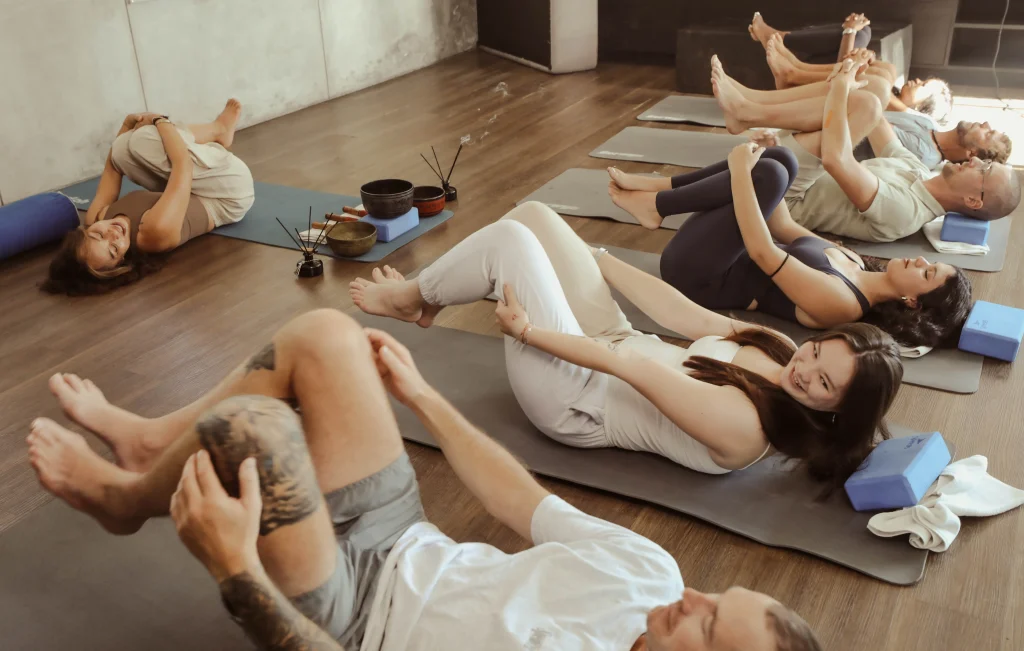
- Engaging in movement or dance
- Writing poetry or reflections
The key is consistency and openness — allowing creativity to become part of the recovery journey rather than a one-off activity.
Final Reflection
Creative expression gives voice to what has been silent. It allows individuals to process, explore, and transform their inner world in a way that feels natural and freeing.
In recovery, this is invaluable.
Because when emotion is expressed, it no longer needs to be suppressed.
And when it is no longer suppressed, it can finally begin to heal.