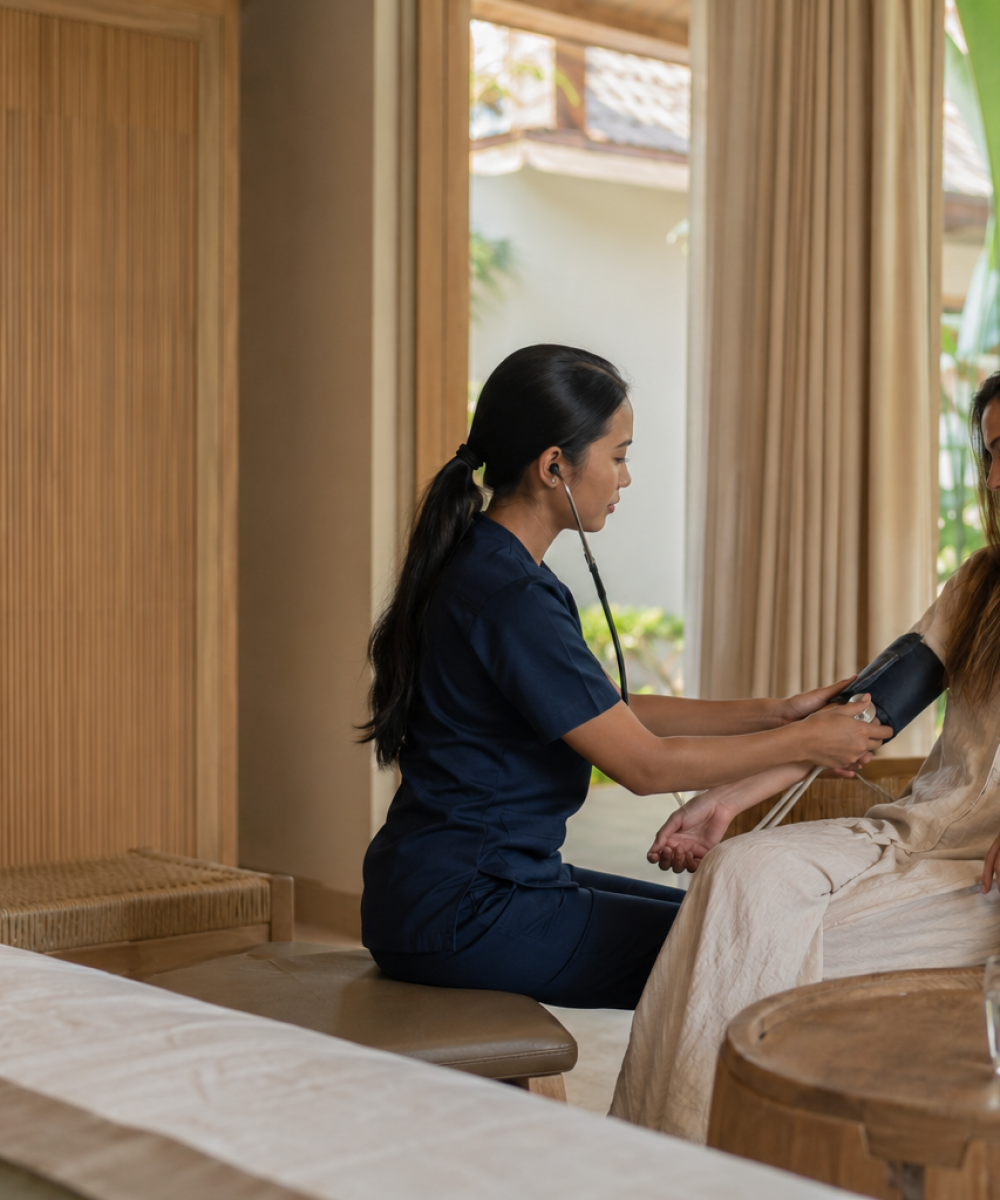
Completing a rehabilitation program in Bali is a major achievement, but recovery does not end when treatment finishes. In many ways, leaving rehab marks the true beginning of long-term healing. The transition from a structured treatment environment back into daily life requires intention, preparation and support. Recovery becomes sustainable when people actively design a life that protects their wellbeing, supports emotional balance and creates a sense of purpose.
Bali often provides the perfect environment for this transition. The slower pace of life, natural beauty, wellness culture and focus on mindfulness can help people reconnect with themselves after years of chaos, stress or addiction. Yet lasting recovery depends on more than location alone. A healthy sober life grows from routines, boundaries, connection and meaningful direction.
Recovery Is About Building — Not Restricting
Many people initially fear sobriety because they imagine life becoming smaller, more limited or less exciting. In reality, successful recovery often creates expansion. Individuals begin rebuilding physical health, emotional resilience, relationships, creativity and confidence.
The focus shifts away from simply avoiding substances and towards creating a life worth protecting. This mindset changes recovery from punishment into opportunity.
Research around post-rehab recovery consistently highlights the importance of structure, aftercare, support systems and meaningful daily activities in maintaining long-term sobriety.
Creating Manageable Daily Routines
One of the most important parts of life after rehab is establishing predictable and manageable routines. Addiction often creates instability, irregular sleep patterns, emotional unpredictability and poor self-care habits. Structure helps calm the nervous system and reduces the likelihood of relapse.
Healthy routines do not need to be rigid or overwhelming. The goal is consistency rather than perfection.
A balanced recovery routine may include:
• waking and sleeping at regular times
• nutritious meals throughout the day
• exercise or movement
• therapy or support meetings
• mindfulness or meditation
• work or productive activity
• social connection
• personal reflection time
Structured routines reduce emotional chaos and help create a sense of safety. Studies on post-rehab recovery consistently show that routine improves stability, accountability and emotional regulation.
Continuing Therapy and Support
Leaving treatment should never mean healing alone. Ongoing support remains one of the strongest predictors of long-term recovery success.
After rehab, many individuals continue with:
• individual therapy
• trauma counselling
• group therapy
• sober coaching
• 12-step meetings
• mindfulness groups
• sober living communities
• online recovery communities
Continued support creates accountability while also providing emotional safety during difficult moments. Recovery often brings buried emotions to the surface once substances are removed. Having professional and peer support available helps people process challenges without returning to old coping mechanisms.
Aftercare and support systems are widely recognised as essential for maintaining long-term sobriety after residential treatment.
Diving into life

Building a Healthy Social Environment
Environment strongly influences behaviour. Returning to unhealthy social circles, toxic relationships or triggering environments can quickly destabilise recovery.
Part of designing life after rehab involves making difficult but necessary decisions about boundaries. This may include:
• distancing from people connected to substance use
• avoiding nightlife environments initially
• reducing exposure to high-stress situations
• limiting contact with manipulative relationships
• choosing sober friendships
• joining supportive communities
Boundaries are not about isolation. They are about protecting emotional stability while healthier habits develop.
Many people discover that sober communities provide the connection they were previously seeking through substances. Shared experiences reduce shame and remind people they are not alone in recovery.
Rediscovering Physical Health
Addiction often disconnects people from their bodies. Sleep disruption, poor nutrition, chronic stress and physical neglect commonly become part of active addiction.
Life after rehab provides an opportunity to rebuild physical wellbeing gradually and sustainably.
In Bali, recovery often integrates holistic practices such as:
• yoga
• surfing
• gym training
• hiking
• meditation
• breathwork
• massage therapy
• nutritional healing
Movement becomes more than exercise. It helps regulate mood, improve sleep, lower anxiety and rebuild confidence.
Physical wellness also supports neurological healing. Regular movement and healthy routines help stabilise stress hormones and improve emotional regulation during early recovery.
Finding Purpose Again
One of the greatest challenges after rehab is learning how to live without the constant cycle of addiction. Many people realise substances had become their primary focus, coping mechanism or identity.
Recovery creates space for purpose exploration.
This may involve:
• returning to study
• rebuilding a career
• volunteering
• creative pursuits
• spirituality
• entrepreneurship
• travel
• helping others in recovery
• reconnecting with family
Purpose does not need to be grand or dramatic. Even small daily goals create momentum and meaning.
Experts in addiction recovery frequently identify boredom and lack of direction as major relapse risks. Building a purposeful life significantly strengthens long-term recovery outcomes.
Learning to Navigate Real Life
Treatment environments are supportive and structured. Real life contains stress, uncertainty and unexpected emotional triggers. Recovery involves learning how to manage these experiences without returning to substances.
This requires developing new coping skills, including:
• emotional awareness
• stress management
• communication skills
• self-regulation
• asking for help
• healthy conflict resolution
• mindfulness practices
Cravings and difficult emotions may still arise occasionally. Recovery does not remove human struggle. Instead, it teaches people how to move through discomfort safely and consciously.
Relapse prevention planning is an important part of life after rehab. Identifying triggers, building support systems and creating healthy coping strategies all improve long-term recovery stability.
Why Bali Can Support Long-Term Healing
For many Australians and international clients, Bali offers a unique setting for rebuilding life after rehab. The environment naturally encourages slowing down, reconnecting with nature and prioritising wellbeing.
Benefits of continuing recovery in Bali may include:
• calmer lifestyle pace
• lower stress environment
• access to wellness communities
• affordability for longer stays
• healthy outdoor lifestyle
• spiritual and mindfulness culture
• distance from previous triggers
The island’s atmosphere often supports reflection, nervous-system regulation and emotional recovery in ways highly urban environments may not.
However, sustainable recovery ultimately depends on the systems and habits individuals create for themselves. Bali may support healing, but recovery is built through consistent daily choices.
Recovery Becomes a New Way of Living
Life after rehab is not about returning to who someone was before addiction. It is about becoming someone new — more aware, more emotionally connected and more intentional.
Recovery is rarely perfect or linear. Some days feel empowering while others feel uncomfortable and uncertain. Yet over time, routines become natural, confidence grows and sobriety begins to feel less like effort and more like identity.
The goal is not merely avoiding substances. The goal is building a life that feels calm, meaningful, connected and worth protecting.
True recovery is not restriction.