Transitions Programme
A Supported Bridge Back Into Life.
Leaving residential treatment does not have to mean going from full support to figuring everything out alone. Through our partnership with Transitions Bali, you can choose a structured sober living step where you build independence, connection and confidence in everyday life with support still around you.
- Optional after residential rehab
- More freedom with continued support
- Build confidence for life after treatment
-
Optional after
residential rehab -
More freedom with
continued support -
Build confidence for
life after treatment
- on this page
- on this page
More freedom, with support still around you
Recovery has to work in real life
Residential treatment gives you time to step away, understand what has been happening and begin building different patterns. The next challenge is learning how those changes hold up when you have more choices, more responsibility and more of everyday life around you.
The Transitions Programme provides a supportive middle ground. You live in a substance-free recovery home in Seminyak, continue working on your recovery and gradually take on more of your own routine. It is a place to rebuild confidence through the gym, cooking, socialising, working, studying and enjoying Bali without returning to old ways of coping.
This is an optional add-on delivered by our independent partner, Transitions Bali. You do not need to decide before coming to Foundations. If it could help, we will explore it with you later in your residential stay, when you understand your needs and next steps more clearly.
Transitions at a glance
- Optional step after residential treatment
- Structured, substance-free recovery home
- Peer community and accountability
- Continued recovery and relapse-prevention work
- Life skills and increasing independence
- Activities, fitness and everyday experiences
Investment
ON DISCUSSION with the team
Length, support and cost are discussed later in your stay, based on what will help you move forward safely.
What it offers
A safe place to start living again
This stage is less about being protected from everyday life and more about learning how to take part in it. Structure and accountability remain, but there is room to make choices, test new routines and discover what a full sober life can actually feel like.
01
A recovery-focused home
02
Structure and accountability
03
Continued recovery work
04
Real-life skills
05
Community and connection
Peer support, shared experience and a sober social circle reduce isolation and help you learn how to ask for support before a difficult moment becomes a crisis.
06
A life you want to protect
Where you'll stay
A recovery home in the middle of real life
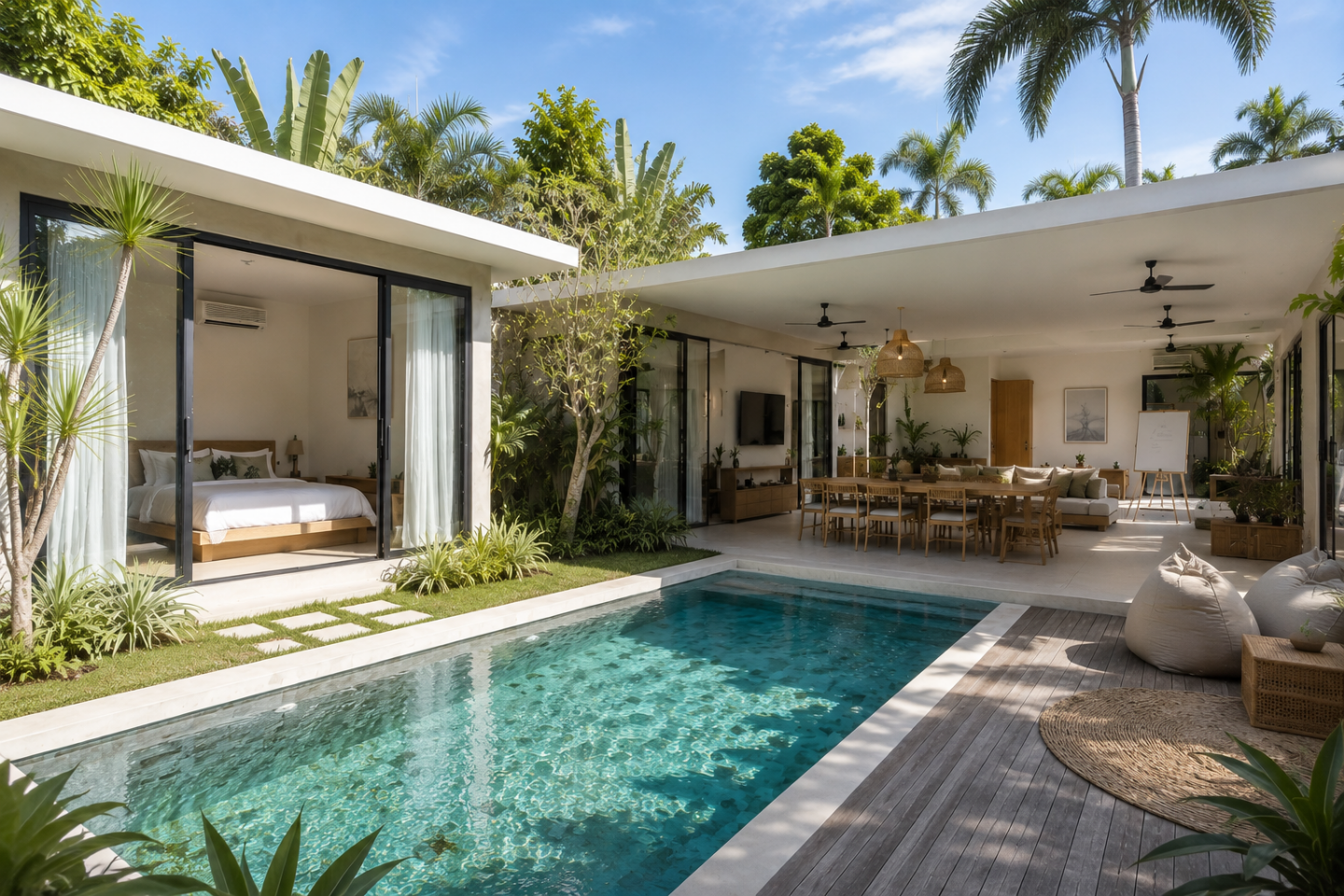
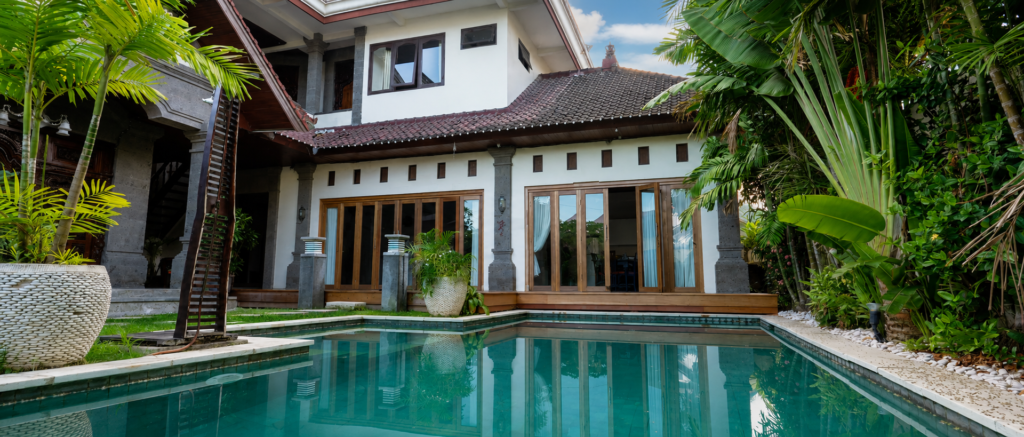
Transitions Bali operates a small recovery house in Seminyak, giving you a comfortable home base while you begin engaging more fully with life outside residential treatment.
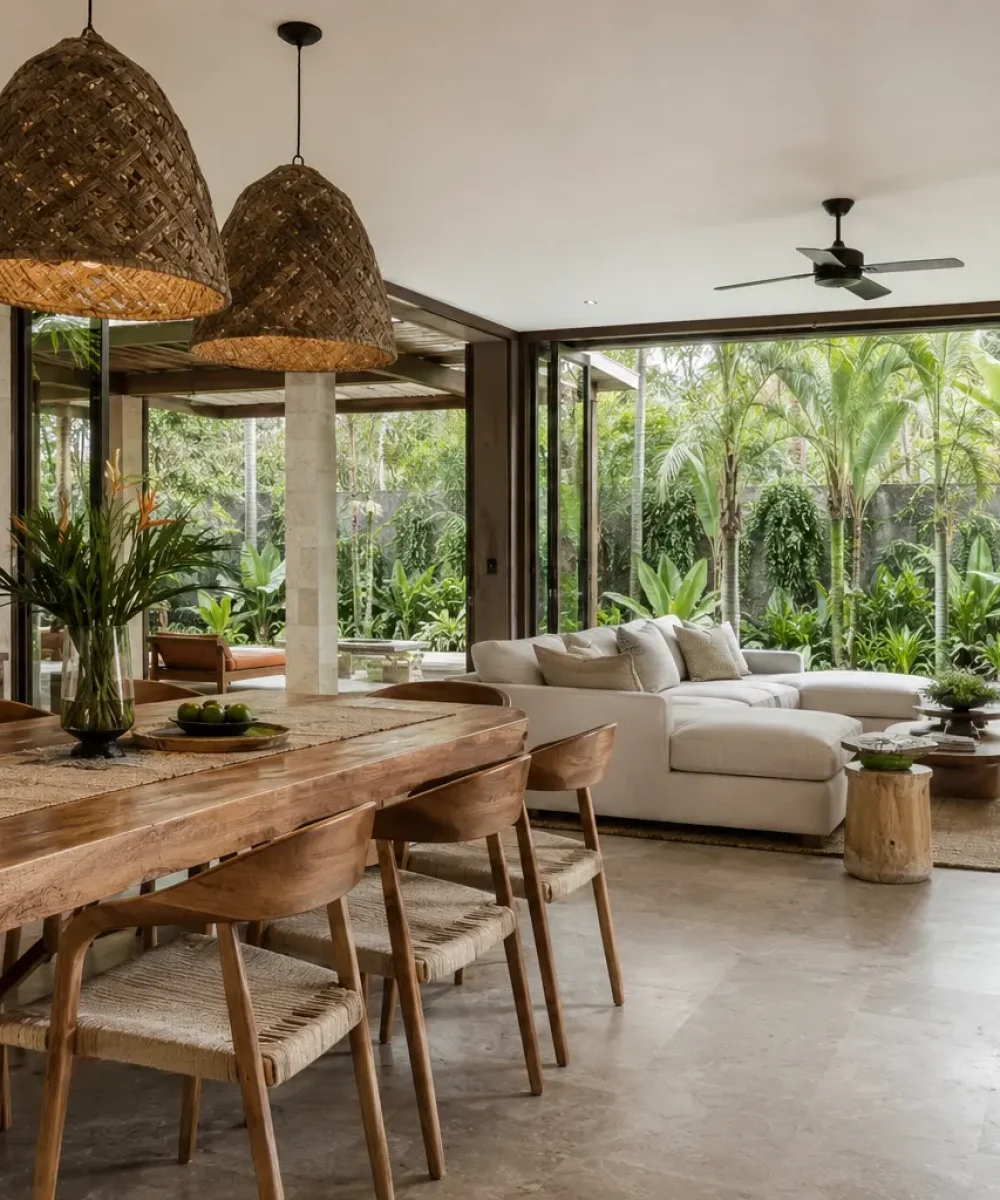
The setting includes bedrooms, shared living areas, tropical gardens and a pool. It is intentionally more independent than Foundations, while still providing the structure, community and recovery focus that make this stage feel manageable.
- Substance-free recovery environment
- Pool and tropical gardens
- Comfortable bedrooms and shared spaces
- Seminyak location close to everyday activities
How the option develops
You can decide when the time is
right
Transitions is not something you need to commit to before treatment. The decision can develop
naturally as you make progress and begin thinking about what returning to everyday life will require.
Transitions is not something you need to commit to before treatment. The decision can develop naturally as you make progress and begin thinking about what returning to everyday life will require.
During your Foundations stay
01
Understand what comes next
- Review your progress and risks
- Talk openly about returning home
- Explore Transitions only if it may help
Planning the move
02
Create a supported handover
If you choose Transitions and the programme is suitable, both teams can help plan the timing, expectations and support around your move.
- Discuss length, cost and practical details
- Agree recovery goals and priorities
- Prepare for a different level of independence
Living more independently
03
Build confidence before you go home
You begin making more of your own decisions while keeping routine, accountability and recovery community close enough to support you.
- Build a realistic weekly routine
- Reconnect with work, study or responsibilities
- Create a sustainable plan for home
Life at Transitions
Recovery becomes something you live
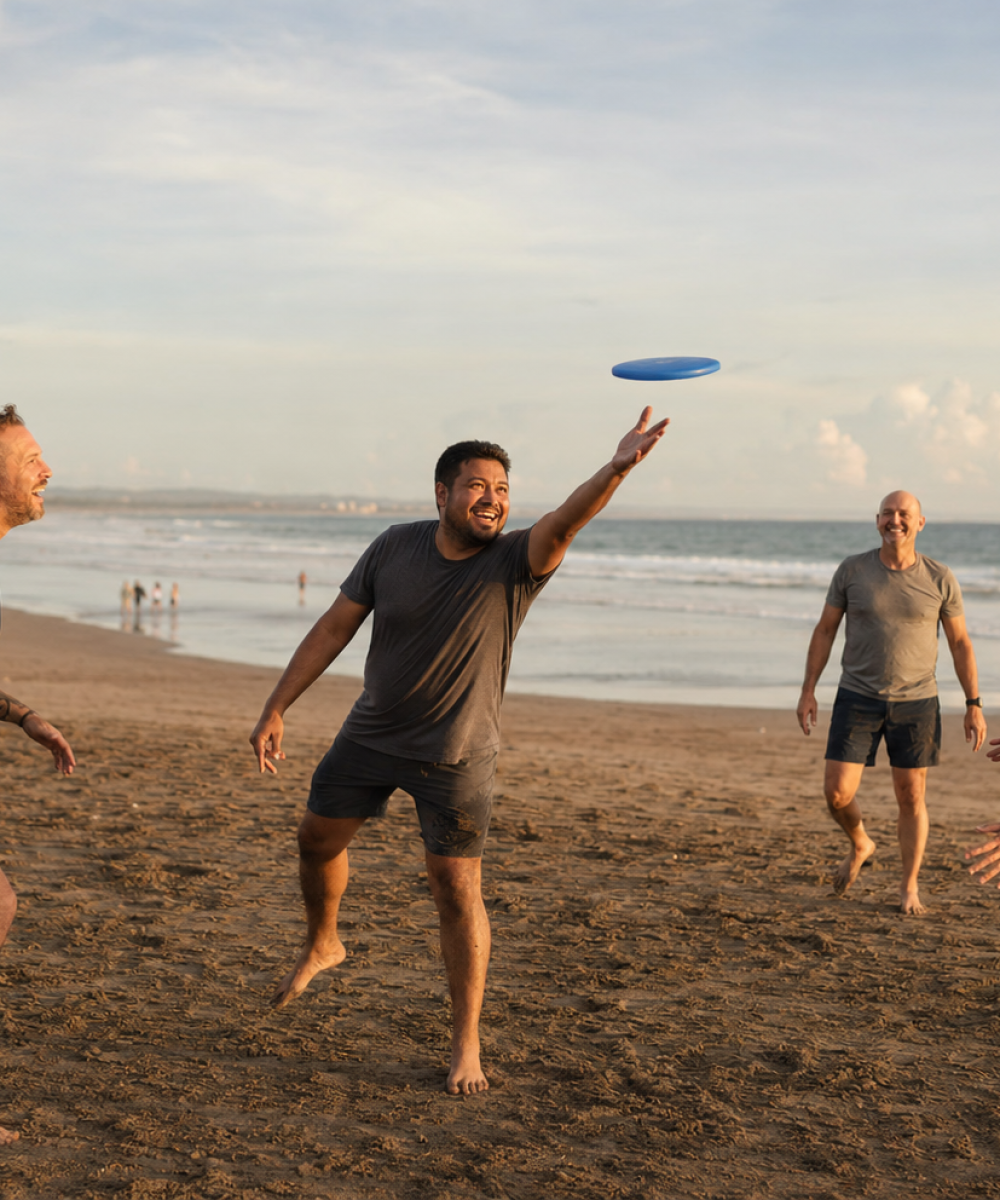
A day may include recovery work and check-ins, but it also has space for the ordinary experiences that make life feel worthwhile. You can exercise, prepare food, work or study, spend time in Bali and connect with others, while learning how to make choices that support the person you are becoming.
- Recovery meetings and regular check-ins
- Cooking and managing daily responsibilities
- Beach time, activities and Bali experiences
-
Fitness, yoga and wellness
-
Work, study or personal projects
- Shared meals and sober social connection
Continued support
Enough support to grow, enough freedom to move forward
The purpose of this stage is not to recreate residential rehab. It is to reduce support gradually, so you can test your recovery in everyday situations without making the jump to complete independence all at once.
Recovery planning
Keep a clear focus on the routines, relationships and support that protect your recovery as daily life becomes busier.
Relapse prevention
Notice triggers earlier, respond differently and know who to contact when cravings, stress or old patterns return.
Peer accountability
Live alongside people working towards similar goals, with the honesty and shared responsibility of a recovery-focused community.
Life skills
Turn insight into action through budgeting, cooking, planning, communication, boundaries and following through on everyday commitments.
Work and purpose
Begin reconnecting with work, study, volunteering or personal projects in a way that supports recovery rather than overwhelming it.
Increasing independence
Build confidence through real decisions and real experiences, with time to reflect, adjust and try again before returning home.
You do not need to decide today
First get well. Then decide what
support comes next.
Come to Foundations focused on the work in front of you. As you progress, we will help you look honestly at what returning to life will involve and whether a supported transition could make that next step stronger.
Questions about the Transitions Programme
Understand the option without deciding now
The details can be worked out later. For now, it is enough to know that a more gradual step out of residential treatment is available if you need it.
Is Transitions part of Foundations Bali?
No. Transitions Bali is an independent sober living and recovery programme that partners with Foundations to provide an optional next step after residential treatment. Being transparent about that partnership allows you to understand who will deliver each stage of support.
Do I need to decide before entering Foundations?
No. You can begin residential treatment without committing to Transitions. The option can be discussed later in your stay, when you have made progress and have a clearer picture of the support you may need before returning home.
Who may benefit from a transitions programme?
It may suit someone who has completed residential treatment but would benefit from more time in a substance-free environment while building independence, strengthening routines and reconnecting with work, study, relationships or everyday responsibilities.
Is this another residential rehab programme?
No. Transitions is a step down from the intensity of residential rehab. It offers structure, accountability and recovery support, but with more freedom and personal responsibility so you can build confidence living more independently.
How long would I stay?
There is no single length that suits everyone. Timing is discussed with you later in treatment and agreed with Transitions Bali based on your progress, goals, practical circumstances and the support you will return to.
How much does it cost?
Cost is available on discussion. If you are considering the programme, the team will explain the current fees, what is included and the available length of stay before you make any decision.
What if I feel ready to return home directly?
Transitions is optional. If returning home directly is appropriate and you have a strong aftercare plan, the Foundations team can help prepare that pathway instead. The aim is to recommend the level of support that fits you, not to add another programme unnecessarily.
What happens when you reach out
One conversation. A clearer next step.
01
We listen
Tell us what has been happening, in your own words and at your own pace.
02
We talk through your options
Ask anything you need to know about treatment, timing, costs, detox or coming to Bali.
03
We plan the next step
If Foundations feels right, we help make the process of getting here clear and manageable.
A private first step
Talk to Someone Who Understands
You do not need to be ready to commit. Speak with someone who understands addiction, ask your questions and find out whether Foundations may be right for you.