Meet the version of you that is clear, calm, healthy and free
Drug and alcohol rehabilitation is not only about stopping harmful behaviors. It is about rediscovering who you are beneath the pain, the fear and the chaos. Real recovery helps you reconnect with your body, your mind and your sense of purpose, so you can begin to meet the future version of yourself with honesty, strength and hope.
Recovery is more than detox. It is the moment you begin rebuilding your health, your identity and your life. With the right support, structure and compassionate care, you can move beyond addiction and step into a future that feels stable, meaningful and fully your own.
A Turning Point, Not Just a Treatment
Drug and alcohol rehabilitation represents a profound turning point rather than a simple medical intervention. While detoxification plays an important role in clearing substances from the body, it is only the beginning. True recovery begins when you start to understand yourself beyond addiction — your patterns, your pain, your strengths, and your capacity for change.
Addiction often narrows life into survival mode. Days revolve around avoiding discomfort, chasing relief, and managing consequences. Rehabilitation interrupts this cycle and creates space — space to breathe, reflect, and rebuild. It is within this space that your future self begins to take shape.
Rebuilding the Body: Physical Healing and Stability
Substance use places immense strain on the body. Sleep patterns break down, nutrition suffers, and the nervous system becomes dysregulated. One of the first stages of rehabilitation focuses on restoring physical balance.
Structured routines, proper nutrition, hydration, and medical support allow the body to stabilise. As physical health improves, energy returns, thinking becomes clearer, and emotional resilience strengthens. This foundation is essential because lasting recovery requires a body capable of supporting change.
Healing the body is not about perfection — it is about giving yourself the strength to move forward.
Rewiring the Mind: Understanding Addiction
Addiction is not simply a lack of willpower. It is deeply connected to brain chemistry, behavioural conditioning, and emotional survival mechanisms. Rehabilitation helps you understand how addiction forms and why it persists.
Through therapy and guided reflection, you begin to identify triggers, thought patterns, and emotional responses that drive substance use. You learn how cravings arise, how to respond rather than react, and how to build healthier coping strategies.
Over time, the brain begins to rewire. What once felt automatic becomes manageable. What once felt overwhelming becomes understandable. This shift is where real transformation begins.
Healing Emotionally: From Numbness to Awareness
Many people use substances to escape difficult emotions — anxiety, trauma, grief, or shame. In recovery, these emotions often resurface, which can feel confronting. However, this is not a setback; it is part of the healing process.
Rehabilitation provides a safe and supported environment to process these feelings. With professional guidance, you can explore the root causes of your addiction and begin to release what has been held inside for years.
Emotional healing allows you to move from avoidance to awareness. Instead of numbing pain, you learn to understand it, work through it, and ultimately reduce its hold over you.
Rediscovering Identity: Who You Are Without Addiction
One of the most powerful aspects of rehabilitation is identity reconstruction. Addiction often erodes self-worth and replaces it with shame, secrecy, and disconnection. Over time, it becomes difficult to remember who you were before substances took control.
Recovery is an opportunity to rediscover and redefine yourself.
You begin to explore your values, your interests, and your purpose. You reconnect with parts of yourself that were lost or suppressed. You start to build a new identity — not based on past mistakes, but on present growth and future potential.
Meeting your future self means recognising that you are not your addiction. You are someone capable of change, resilience, and meaning.
The Role of Structure and Support
Recovery does not happen in isolation. One of the most important elements of rehabilitation is the support system that surrounds you.
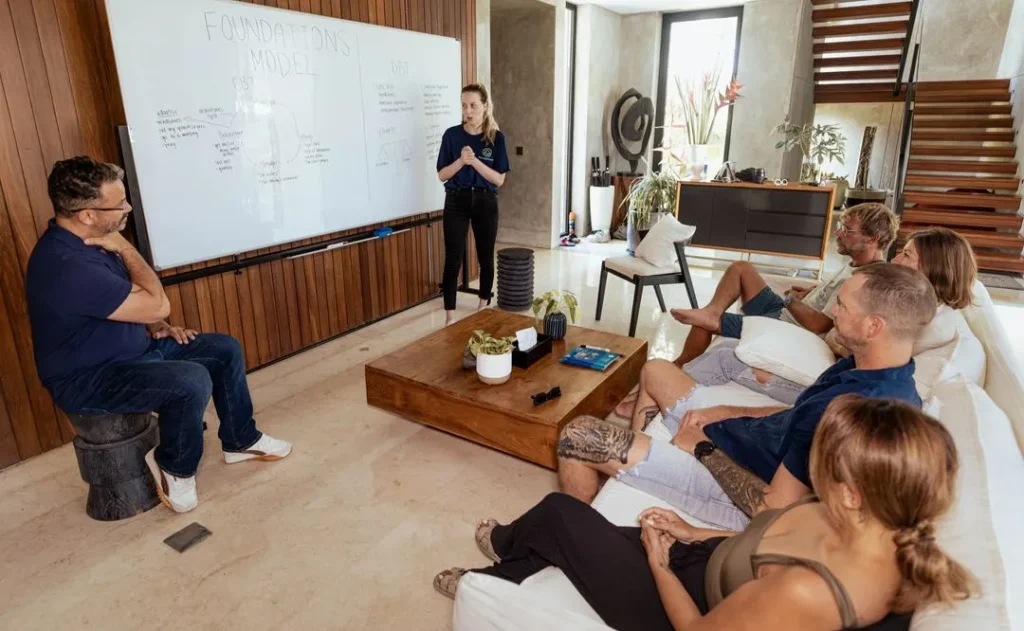
Structured programmes provide consistency and accountability. Therapy sessions, group work, wellness practices, and daily routines create a stable environment where healing can take place. At the same time, connection with others reduces isolation and builds a sense of belonging.
Support from professionals and peers helps you stay grounded during difficult moments and reinforces progress as you move forward. It reminds you that you are not alone — and that recovery is not something you have to navigate by yourself.
Building a Life Beyond Addiction
Rehabilitation is not just about stopping substance use; it is about creating a life where substances are no longer needed.
This involves developing practical life skills, setting goals, and building a vision for the future. You learn how to manage stress, maintain relationships, and make decisions aligned with your wellbeing.
A meaningful life in recovery includes purpose, connection, and direction. It may involve rebuilding careers, repairing relationships, or discovering entirely new paths. Each step forward strengthens your confidence and reinforces your commitment to change.
Meeting Your Future Self
The idea of “meeting your future self” is more than a metaphor. It represents the person you are becoming through every healthy choice, every moment of honesty, and every step taken in recovery.
Your future self is:
- Clearer in thinking and stronger in decision-making
- More emotionally balanced and self-aware
- Physically healthier and more energised
- Connected to others and to a sense of purpose
- Free from the constant cycle of dependence and regret
This version of you already exists as potential. Rehabilitation simply provides the path to reach it.
A Life That Feels Like Your Own
Perhaps the most profound outcome of recovery is the return of authenticity. Instead of living reactively, driven by cravings and consequences, you begin to live intentionally.
You wake up with clarity. You make choices that align with your values. You experience emotions without being controlled by them. Life becomes something you participate in, rather than something you escape from.
This is what it means to step into a future that feels stable, meaningful, and fully your own.
Taking the First Step
Every journey into recovery begins with a single decision — the willingness to change. You do not need to have everything figured out. You only need to take the first step towards support.
Drug and alcohol rehabilitation offers more than treatment. It offers transformation.
It is where healing begins, where identity is rebuilt, and where you start to meet the person you are meant to become.
Your future self is not out of reach.