Frequently asked questions
Clear Answers Before You Decide
Practical information about admissions, detox, treatment, costs, privacy, travel and life at Foundations Bali.
Start with what matters to you
It Is Reasonable to Have Questions
Treatment is a significant decision. These answers cover the questions people most often ask, but your circumstances will always be discussed privately before we recommend a programme.
01
Admissions and getting started
How do I know whether residential rehab is the right next step?
Residential treatment may be appropriate when alcohol or drug use is becoming difficult to control, affecting health or relationships, or repeatedly returning after attempts to stop. A confidential assessment helps us understand the pattern, current risks and whether Foundations is the right level of care.
What happens when I first contact Foundations?
We begin with a private, no-pressure conversation. We will listen to what is happening, ask about substance use, physical and mental health, medication and immediate risks, then explain the options that may be suitable.
How quickly can I be admitted?
Timing depends on availability, travel arrangements and whether medical or clinical information is needed first. When treatment is urgent, contact us directly and we will explain what can be arranged safely.
Can a family member arrange treatment for someone else?
A family member can gather information and help with practical arrangements. The person entering treatment generally needs to agree to admission and participate in the assessment process.
02
Residential treatment
How long is the residential programme?
Programmes are commonly 30, 60 or 90 days. The recommended length depends on your needs, progress, previous treatment and the support available when you leave.
What does treatment include?
Your programme can include individual and group work, recovery education, relapse prevention, practical coping tools, movement, wellbeing activities, psychiatric input where appropriate and detailed aftercare planning.
How personalised is the programme?
Foundations remains deliberately small so the team can understand each resident properly. Your care is shaped around your substance use, health, history, goals and progress rather than applying one identical programme to everyone.
Do you treat mental health concerns alongside addiction?
Anxiety, depression, trauma and other mental-health concerns are considered during assessment and treatment. Psychiatric input is available where appropriate. Some presentations require specialist or higher-acuity care, and we will be clear if another setting is safer.
03
Detox and medical support
Do you provide medical detox?
A seven-day medical detox may be available following assessment. The safest setting depends on the substance, level of use, withdrawal history, physical health and any other medication or risks.
Should I stop drinking or using before I arrive?
Do not suddenly stop alcohol, benzodiazepines or other substances that may cause dangerous withdrawal without medical advice. Speak with us first so the safest plan can be considered.
Is there medical support at Foundations?
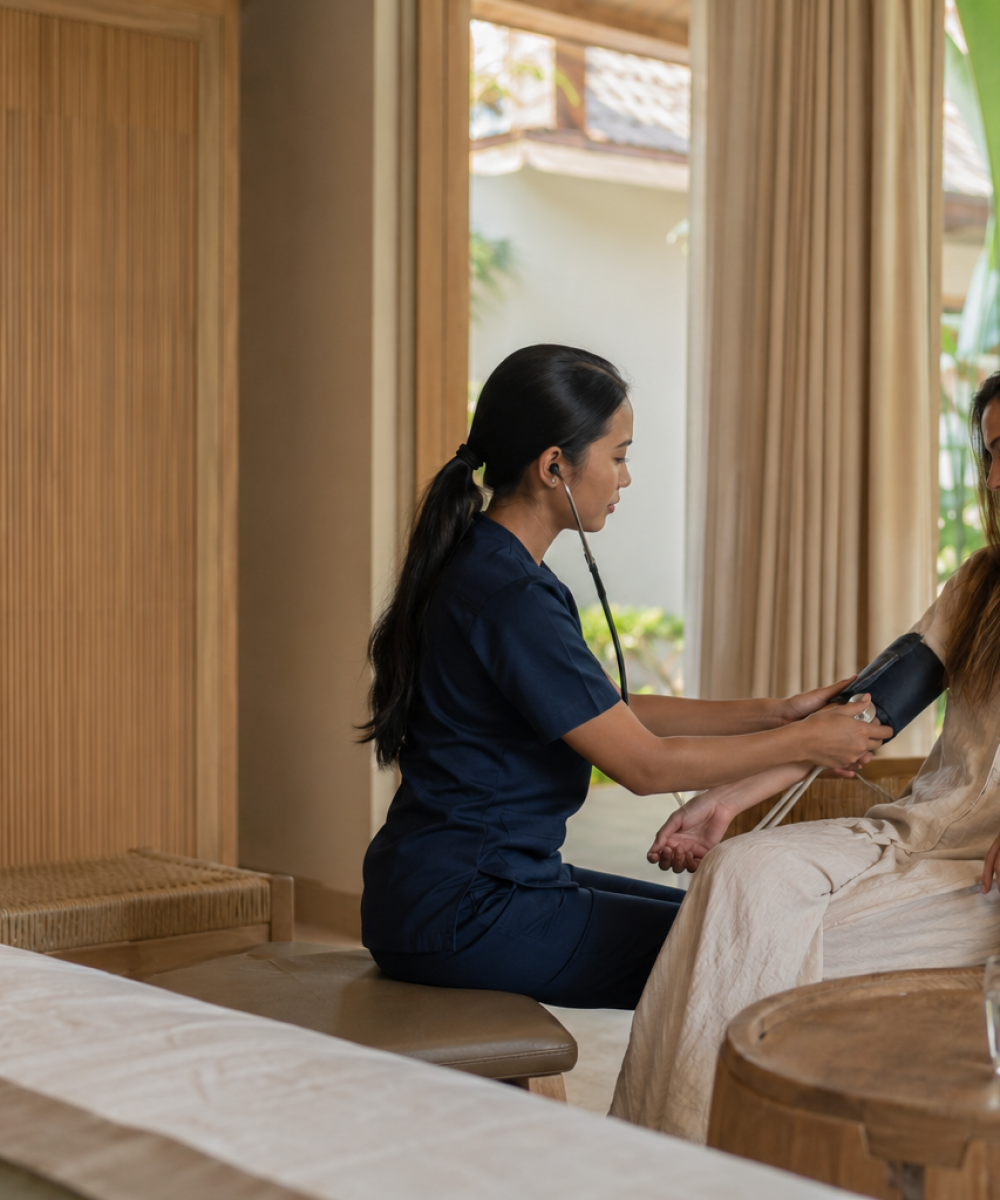
Foundations coordinates appropriate medical and psychiatric support as part of an agreed care plan. It is a residential rehabilitation programme rather than a hospital, so suitability is assessed carefully.
04
Costs and payment
How much does rehab at Foundations Bali cost?
Residential treatment starts from USD 15,000 per 28 days. A seven-day medical detox is USD 7,000. Your full recommended programme and any additional costs are explained before you commit.
What is included in the residential fee?
The fee includes your private en-suite accommodation, chef-prepared meals, the core treatment programme, daily support, selected movement and wellbeing activities, and 24-hour on-site supervision.
Can Australians use superannuation to pay for treatment?
Eligible Australians may be able to apply for early release of superannuation on compassionate grounds. Foundations can explain the process and help with supporting information, while approval remains with the relevant authorities and super fund.
05
Travel, privacy and daily life
Can I travel from Australia for treatment?
Yes. Many residents travel from Australia. We can explain admission timing, what to organise before flying and the practical details needed for arrival in Bali.
Is treatment confidential?
Yes. Enquiries and treatment information are handled confidentially. The residence’s exact address is protected to support resident privacy and security.
Will I have a private room?
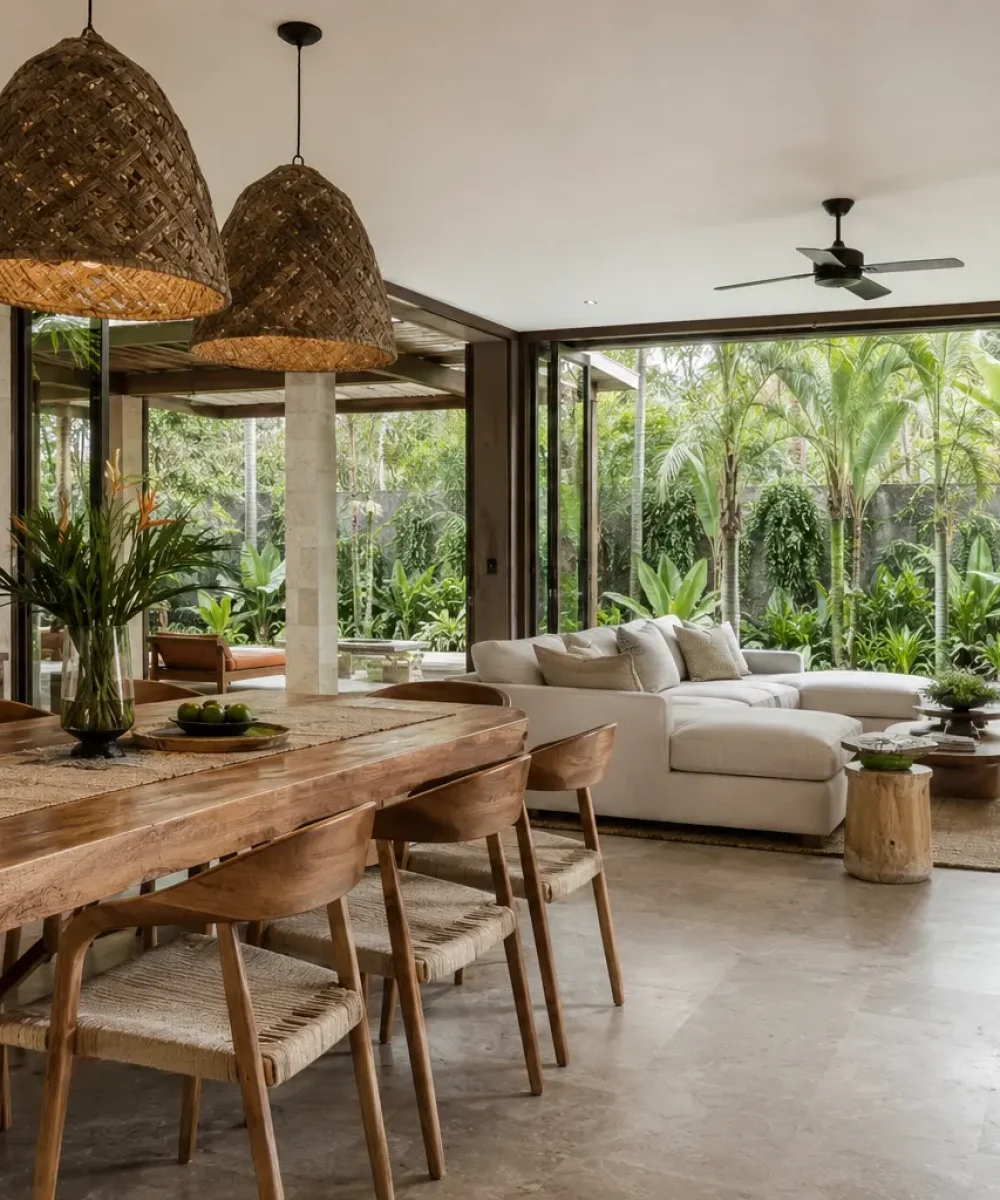
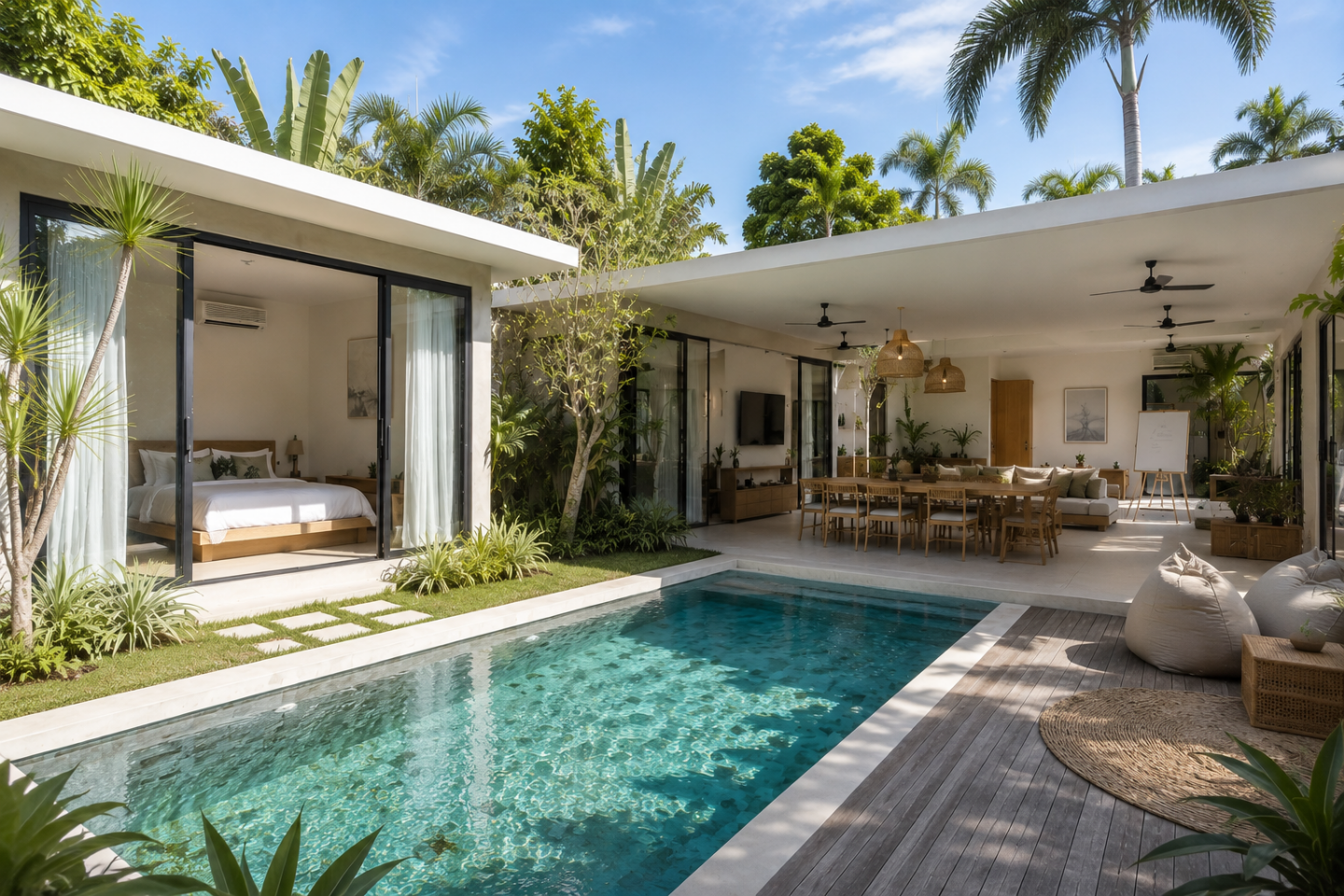
Yes. Every resident has a private, air-conditioned, king-size bedroom with an en-suite bathroom.
What is a typical day like?
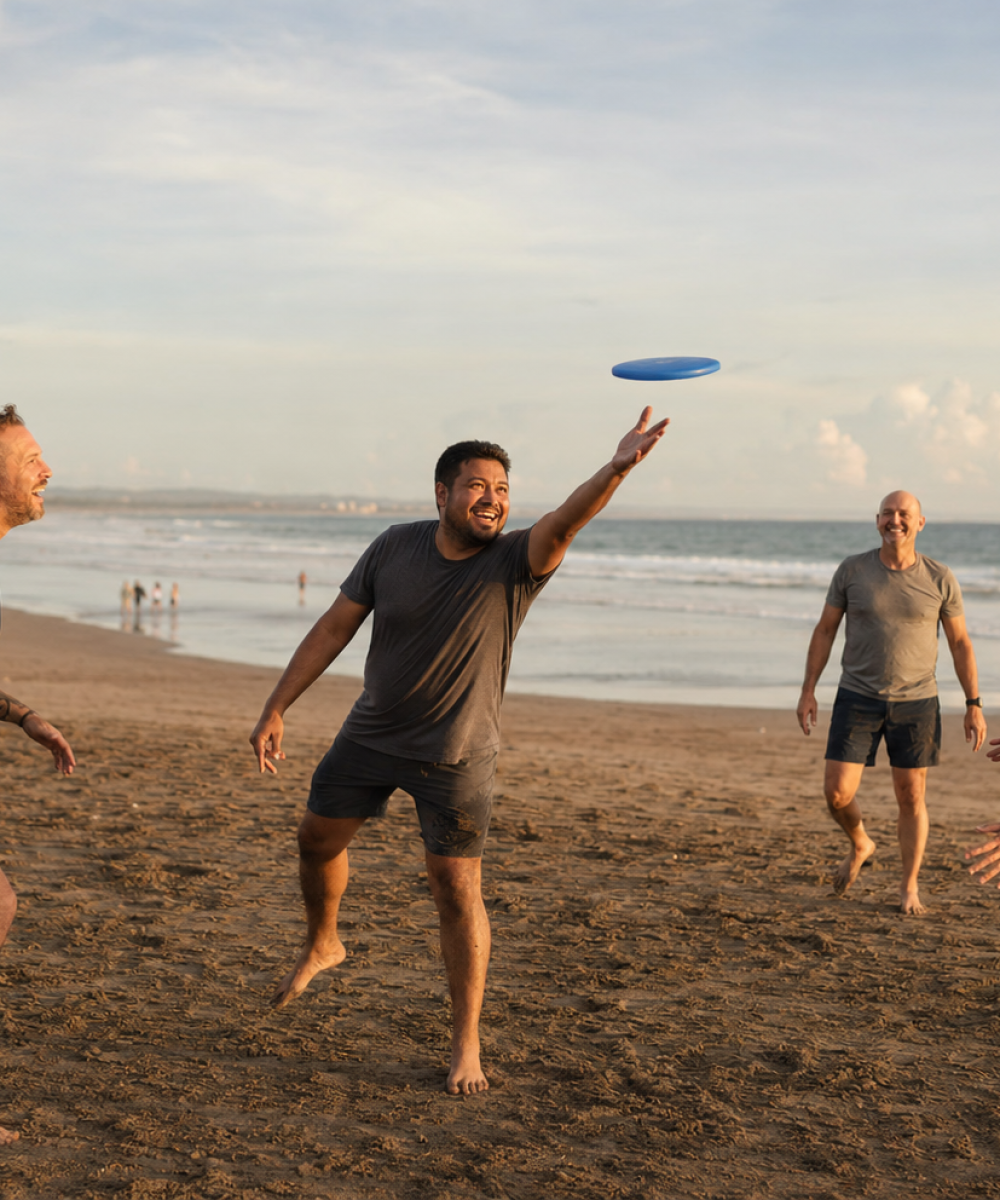
Weekdays combine structured programme work, individual support, groups, meals, movement and time to rest. Weekends usually allow more space for supported activities and experiences around Bali.
Can I use my phone or laptop?
Access is managed around treatment, privacy and individual circumstances. The team will explain current expectations before admission so you know what to prepare for.
06
Family support and life after rehab
Can my family contact me during treatment?
Yes, with boundaries shaped around your privacy, wellbeing and what is clinically useful. Practical arrangements are discussed during admission.
How are families involved?
Where appropriate and with the resident’s agreement, family involvement may include guidance, planned conversations and support for healthier boundaries and communication.
What support is available after residential treatment?
Aftercare planning begins during the programme. It can include recovery meetings, therapeutic or clinical referrals, relapse-prevention planning, online or local support and practical preparation for returning home.
What if I am not ready to decide?
You do not need to commit to treatment on the first call. You can ask questions, explain what is happening and take time to understand the options available.
Still have a question?
Ask Us Directly
You do not need to be certain about treatment before having a private conversation.