Trauma and PTSD treatment in Bali
When the Past Still Feels Present
Trauma can keep your mind and body responding as though danger is still close, long after the experience itself has ended. Foundations offers a private, trauma-informed setting where you can begin to feel safer, understand your responses and reconnect with life at a pace you can manage.
- Private and confidential
- Trauma-informed support
- Care built around you
-
Private and
confidential -
Trauma-informed
support -
Care built
around you
Patterns worth noticing
Trauma can shape everyday life in ways that are easy to hide
Not everyone who experiences trauma develops PTSD, and symptoms do not always appear immediately. The important question is whether memories, fear, avoidance or disconnection are limiting how safely and freely you can live.
01
The experience keeps returning
Flashbacks, nightmares, intrusive memories or sudden physical reactions can make the past feel as though it is happening again.
02
You avoid reminders
Places, people, conversations, sensations or emotions connected with what happened may feel too difficult to approach.
03
You are always on guard
You may scan for danger, startle easily, struggle to relax or feel unable to fully trust people and surroundings.
04
You feel numb or disconnected
Closeness, pleasure and ordinary emotion can feel distant. You may withdraw or feel separated from yourself and other people.
05
Your view of yourself has changed
Shame, guilt, anger, self-blame or the belief that you are permanently damaged can become difficult to challenge.
06
Coping is creating new harm
Alcohol, drugs, medication, work, sex, food or other behaviours may have become ways to avoid memories, sleep or feel in control.
Your responses make sense in the context of what happened.
They may have helped you survive. Treatment can help you build safety and choice without forcing you to relive everything before you are ready.
Understanding trauma and PTSD
The danger may be over while your system is still responding
Trauma can follow a single event or repeated experiences such as abuse, violence, neglect, loss, accidents, disasters or other situations in which you felt unsafe, trapped or powerless. People respond differently, and distress after trauma does not automatically mean that you have PTSD.
PTSD can develop when symptoms persist and begin interfering with daily life. Common patterns include re-experiencing what happened, avoiding reminders, changes in mood or beliefs, and remaining tense or alert for danger. Complex trauma may also affect identity, emotional regulation, trust and relationships.
Trauma and substance use often reinforce one another. Alcohol or drugs may temporarily reduce memories, anxiety, sleeplessness or emotional pain, while withdrawal, shame and instability can make trauma symptoms harder to manage. Both need to be understood together.
You do not have to describe every detail of what happened during an initial assessment. The first priority is understanding your current symptoms, safety, health, substance use and what support feels manageable.
Trauma responses and safety
Stability comes before deeper trauma work
Trauma treatment should be paced carefully. When symptoms are intense, substances are involved or daily life feels unsafe, the immediate work is to create stability, reduce risk and build skills that help you stay present before processing traumatic memories.
When safety feels uncertain
Your system may react before you can think
Triggers can bring panic, freezing, anger, dissociation or the urge to escape. Grounding and regulation skills help you recognise what is happening and return to the present.
As stability develops
Patterns become easier to understand
With sleep, structure and support improving, you can begin noticing triggers, beliefs and coping responses without being overwhelmed by them.
When you are ready
Trauma can be approached carefully
Evidence-based trauma therapy can help memories feel less immediate and reduce avoidance. The method and pace should fit your history, health and capacity.
Assessment matters when symptoms are severe or substances are involved
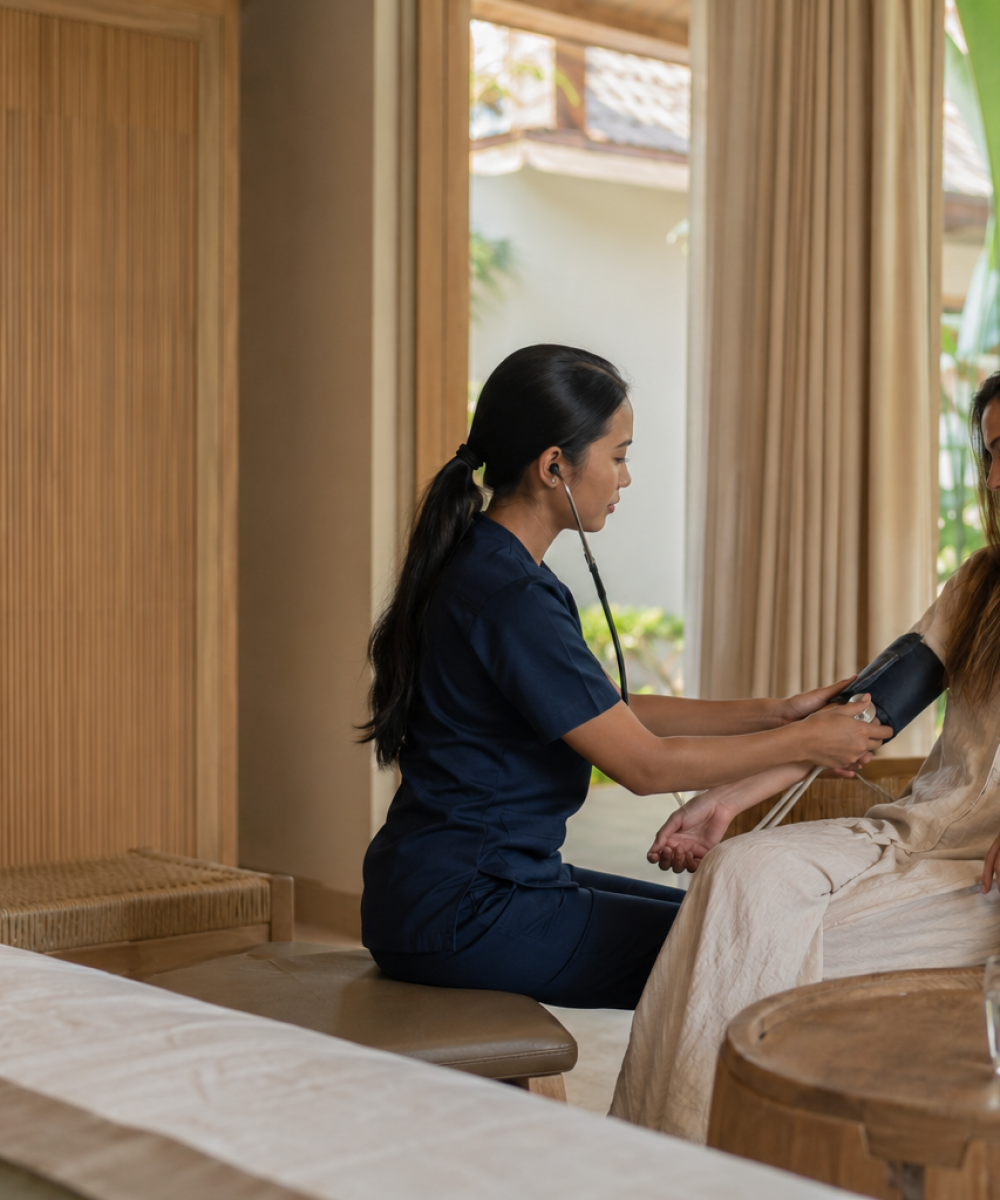
Dissociation, self-harm, suicidal thoughts, psychosis, severe sleep disruption and alcohol or drug dependence can change what support is safe. Foundations assesses these concerns and arranges medical or psychiatric input where appropriate.
Get urgent medical help
Seek urgent help if you cannot keep yourself or someone else safe, have thoughts or plans of suicide or self-harm, feel detached from reality, or are in immediate danger. Call your local emergency services or go to the nearest emergency department. In Australia, call 000 or Lifeline on 13 11 14.
Trauma and PTSD treatment
Recovery begins with safety, trust and choice
Treatment helps reduce the control trauma has over the present. The work is collaborative and paced around your capacity, with attention to mental health, physical wellbeing, substance use, relationships and the life you want to rebuild.
01
Understand the whole picture
We explore current symptoms, safety, health, substance use, sleep, relationships and what has or has not helped before.
02
Create stability
Predictable routines, rest, nourishing food and a consistent therapeutic relationship provide a steadier base for recovery.
03
Build regulation skills
Learn practical ways to respond to triggers, panic, shutdown, dissociation, intense emotion and the urge to escape.
04
Address substance use
Where alcohol or drugs are involved, treatment supports safe withdrawal and examines the role substances have played in surviving trauma.
05
Process at the right pace
When sufficient stability is present, trauma-focused work can help reduce the intensity of memories, beliefs and avoidance.
06
Reconnect with ordinary life
Practise trust, boundaries, relationships, enjoyment and planning for triggers with aftercare supporting the transition home.
Why Foundations
A smaller setting can make it easier to feel safe enough to engage
Foundations is deliberately small, allowing the team to understand how trauma affects you rather than applying a standard recovery story. Therapy sits alongside rest, movement, nourishing food, nature and shared experiences that help life feel broader than symptoms.
- Small programme with individual attention
- Psychiatric and medical input where appropriate
-
Private, comfortable residential setting
-
Trauma-informed therapeutic support
-
Integrated support for substance use
-
Aftercare and transition planning
Questions about trauma and PTSD
Clear answers without pressure to disclose more than you choose
You can ask about treatment, safety and suitability before deciding what you want to share or whether residential care is right for you.
What is the difference between trauma and PTSD?
Trauma describes the emotional and psychological impact of distressing experiences. PTSD is a diagnosable mental health condition involving persistent patterns such as re-experiencing, avoidance, negative changes in thoughts or mood, and feeling constantly alert.
What is complex PTSD?
Complex PTSD can develop after repeated or prolonged trauma. Alongside core PTSD symptoms, people may struggle with emotional regulation, shame, identity, trust and relationships.
Do I have to talk about everything that happened?
No. You can begin by discussing what is happening now and what support you need. Trauma work should be collaborative, paced and based on consent.
Can PTSD develop years after an event?
Yes. Symptoms can begin immediately or emerge months or years later. They may become more noticeable during another period of stress, loss or change.
Can trauma cause addiction?
Trauma does not inevitably lead to addiction, but alcohol and drugs may be used to manage memories, anxiety, numbness, sleep or emotional pain. Treatment should address both patterns together.
What therapies help PTSD?
Evidence-based treatments can include trauma-focused cognitive behavioural therapy and eye movement desensitisation and reprocessing. Recommendations depend on assessment and readiness.
Does everyone who experiences trauma develop PTSD?
No. Many people experience distress after trauma without developing PTSD. Support is still appropriate whenever symptoms are affecting daily life.
How long does trauma treatment take?
There is no single timeline. Foundations offers 30, 60 and 90-day residential programmes, with aftercare supporting longer-term recovery.
Is residential treatment right for PTSD?
Residential support may be useful when symptoms significantly affect daily life, substances are involved, the home environment makes stabilisation difficult or outpatient care has not provided enough support.
Can Australians use superannuation for treatment?
Eligible Australians may be able to apply for early release of superannuation on compassionate grounds. Approval is not guaranteed, but Foundations can explain the usual process.
Information reviewed against current clinical guidance. Last reviewed July 2026.
This page provides general information and is not a diagnosis or a substitute for individual medical advice.
What happens when you reach out
One conversation. A clearer next step.
01
We listen
Tell us what has been happening, in your own words and at your own pace.
02
We talk through your options
Ask anything you need to know about treatment, timing, costs, detox or coming to Bali.
03
We plan the next step
If Foundations feels right, we help make the process of getting here clear and manageable.
A private first step
Talk to Someone Who Understands
You do not need to be ready to commit. Speak with someone who understands addiction, ask your questions and find out whether Foundations may be right for you.