One of the stranger things about considering sobriety is that you can desperately want the bad parts of drinking or using to stop without being remotely convinced you want to give up the good parts.
You can imagine waking up without the anxiety. You’d happily lose the arguments, the blackouts, the money spent on cocaine, the Sunday afternoons written off because Friday somehow turned into a two-day event. You might be thoroughly sick of checking your phone in the morning to see what you said, or opening your banking app with one eye closed.
But then you picture the alternative.
A wedding with sparkling water. A holiday without the first cold beer by the pool. Dinner without ordering wine. Going on a date completely sober. Standing at a party at 11pm while everyone else is getting louder and you’re wondering what on earth you’re still doing there.
And that’s before you get to the bigger question: if you’ve always been the one ordering another bottle, getting everyone to stay out, saying yes to the afterparty or producing the cocaine at midnight, who exactly are you when you stop?
The fear that sober life will be boring isn’t silly. If alcohol or drugs have been responsible for fun, confidence, connection, excitement and relief for years, giving them up can genuinely feel like agreeing to a smaller life. But that fear gets one important thing wrong. It assumes the version of sober life you can imagine from where you’re standing now is the version you’d actually end up living.
Let’s Admit It: Drinking Can Be Fun
There is no point pretending otherwise. Alcohol works. It lowers inhibition, makes conversation easier and can turn an ordinary dinner into a very funny night. Cocaine can make you feel confident, energetic and endlessly interested in whatever conversation is happening in the kitchen at 3am. If substances offered absolutely nothing in return, people wouldn’t become so attached to them.
You may have had genuinely brilliant nights. There may be friendships that began in bars, ridiculous stories you still laugh about and holidays where the afternoon cocktails were part of the pleasure. Getting sober doesn’t require you to rewrite your history and decide you hated all of it.
What changes for many people is the deal. At some point, the same night starts costing more. The drinks are still enjoyable, but now you lose most of the following day. Cocaine buys another four hours and takes the weekend. Dinner is fun until you say something you don’t remember properly and your partner is still angry the next morning.
Eventually you can find yourself spending almost as much time recovering from fun as having it. That’s a very different proposition from alcohol simply making life better.
What Will I Actually Do Without It?
This question deserves a better answer than “find a hobby”.
If you’ve been drinking for 10 or 20 years, alcohol probably isn’t one activity among many. It is woven through your life. Friday means drinks. Dinner means wine. A holiday starts when somebody orders the first cocktail. A bad day deserves a drink, and so does a good one.
Drugs create their own routines. You know which friends will be up for it, which nights are likely to turn into something bigger, and which message at 10.30pm means the evening has just changed direction. Remove all of that and of course there is a gap. The mistake is thinking you need to fill that gap immediately with sober substitutes. Nobody contemplating rehab needs to be told that instead of drinking they can take up pottery.
The real adjustment is more interesting. You have to discover what you actually like when drinking or using is no longer automatically making the decision for you.
One of the stranger discoveries in sobriety is that some things you thought you loved were actually just places where you liked drinking. You might still adore long dinners with friends but discover you have absolutely no interest in being in a nightclub at 2am. You might realise you like getting up early when you haven’t spent years making mornings unnecessarily difficult. You may find that the Sunday you used to lose to a hangover becomes one of the best days of your week.
You don’t swap alcohol for wholesome activities. You start finding out what is genuinely yours.
Sobriety Can Feel Flat at First. That’s Normal
If you’ve spent years regularly changing how you feel with alcohol or drugs, normal life can initially seem very low-volume. There is less anticipation, less chaos and less instant reward. A Friday night can feel unusually long when you’re used to it disappearing in a blur.
Socialising can feel different too. You may discover that the conversation you used to find fascinating at midnight becomes considerably less fascinating when everyone else is six drinks in and you’re completely sober. You might go home earlier and wonder whether this is what your life has become. It isn’t.
Early sobriety is an adjustment, not a preview of the rest of your life. Your routines are changing, your body and brain are adapting, and you haven’t yet built the things that will eventually occupy the space alcohol or drugs used to fill.
This is one reason early recovery needs more than simply removing the substance. If somebody takes away the biggest source of reward, socialising and escape in your life and replaces it with nothing, boredom is hardly surprising. The work is in building what comes next.
You Have to Learn How to Have Fun Sober
This sounds absurd until you have to do it.
For years, alcohol may have been doing part of the work for you. It made you less self-conscious at parties, gave everyone an excuse to relax and provided an instant answer to the question of what to do on Friday night. Without it, some things have to become your own again.
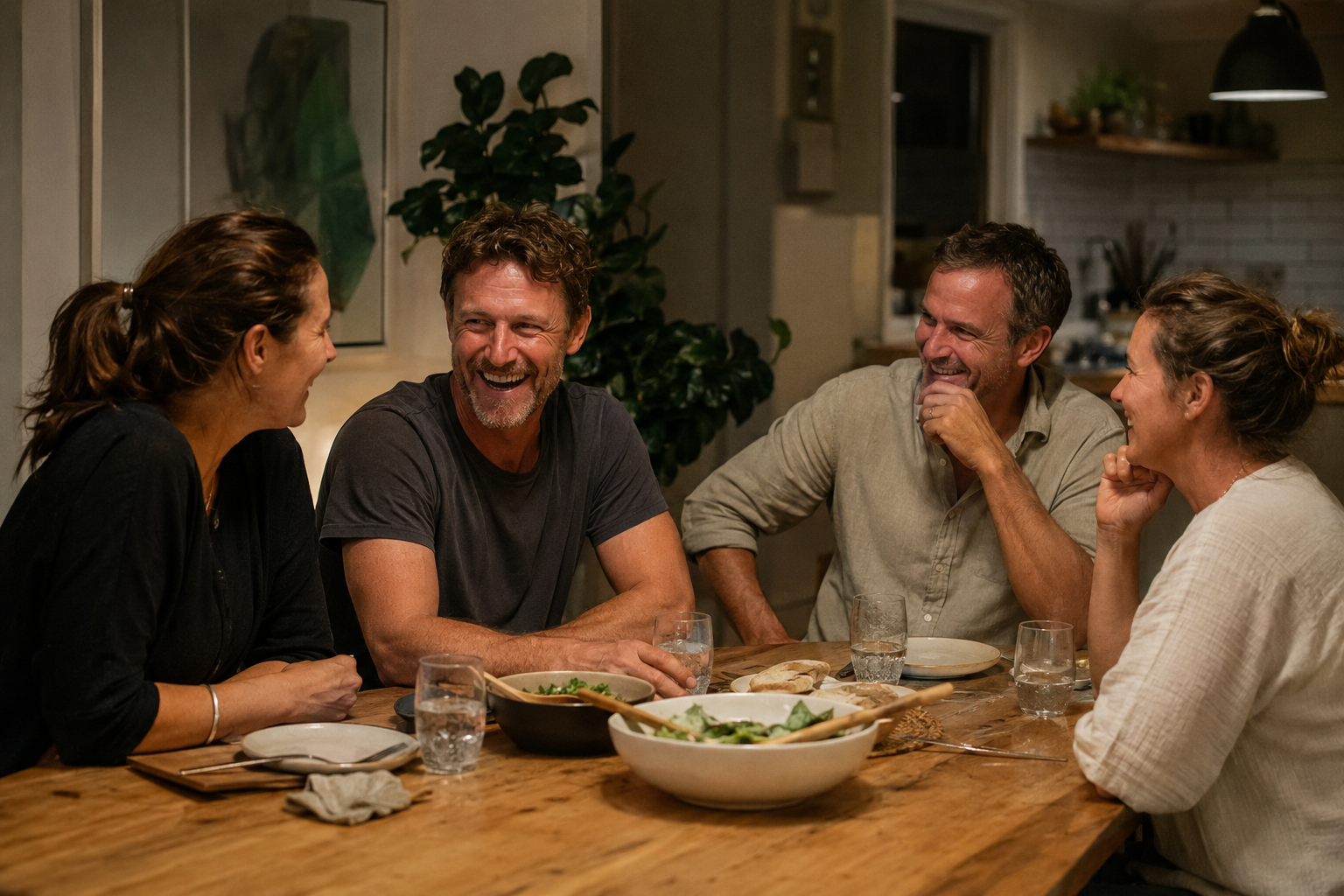
The first sober dinner can feel oddly exposed. You notice yourself more. You notice everyone else more. You wonder what to do with your hands when the waiter asks for drinks. Then the evening gets going and, at some point, you realise you haven’t thought about alcohol for half an hour because someone has just told a genuinely hilarious story. Those small moments matter because they’re evidence that enjoyment still works.
Eventually, having fun without alcohol stops being a special category of activity. You go to dinner, travel, see friends, have sex, laugh and occasionally have a boring Saturday night because everybody does. You stop thinking of any of it as “sober fun”. It’s just your life.
Sobriety isn’t supposed to make every day fascinating. It just means boredom no longer needs to be chemically corrected.
What If My Friends Don’t Want the Sober Version of Me?
This fear is really about belonging.
If your friendships were built around drinking or using, changing your relationship with alcohol can feel like changing the terms of those friendships without asking anyone else’s permission.
Some friends won’t care nearly as much as you expect. They’ll order wine, you’ll order something else, and after the first few times it stops being noteworthy.
Others may struggle with it. Sometimes another person’s sobriety makes people uncomfortable because it causes them to look at their own drinking. One client at Foundations put it more bluntly during a group session:
“I found out who my friends were by who kept texting me at 11pm after I stopped answering.”
Sometimes you simply discover that a friendship consisted largely of getting drunk together and there isn’t as much underneath it as either of you thought. That’s painful, but it’s also useful information.
You may also find that you’re the one who changes. Spending six hours in a bar can become less appealing when you’re no longer drinking. That doesn’t mean you’ve become boring. It means you’ve discovered that sitting in the same chair until 1am was partly entertaining because you were intoxicated. The friendships worth keeping usually find another shape.
What If Alcohol Is What Makes Me Fun?
This is probably closer to the real fear for some people.
Maybe you’re the funny one. The confident one. The person who gets everybody dancing, talks to strangers and says yes when everyone else is thinking about going home. Alcohol loosens you up. Cocaine makes you feel sharp and interesting. Without them, you worry you’ll become a muted version of yourself.
Early sobriety can reinforce that fear because you probably will feel different at first. If you’ve spent years using alcohol to remove inhibition, being completely present in a social situation can feel strangely vulnerable. You might be quieter. You might think before you speak. You might not stay until the lights come on.
But being uninhibited and being interesting aren’t the same thing.
Alcohol didn’t invent your sense of humour. Cocaine didn’t create your ability to connect with people. Those things were yours. Substances changed your confidence, energy and inhibition, and over time you may have stopped trusting yourself to access those parts of your personality without them.
Recovery involves getting that trust back. The sober version of you isn’t necessarily the toned-down version. It’s just the version you haven’t spent much time getting to know.
Some Things Probably Will Change

There is a temptation in recovery content to promise that you’ll eventually do everything you used to do, just without the alcohol. That isn’t always true.
Some things stop being enjoyable. Some friendships change. Some places lose their appeal. You may become less interested in staying out late or spending an entire weekend recovering from one night. You might stop accepting invitations you previously would never have missed.
That can look like loss from where you are now. Later, it often feels more like editing. You stop spending time on things that only really worked because you were drinking and have more room for the things that still work when you’re fully present.
And yes, occasionally you’ll miss it. You might be at a wedding when everyone is several glasses into the champagne and briefly wish you could switch your brain off in the same effortless way. Recovery doesn’t require you to become someone who never remembers why drinking was appealing. It asks you to remember the whole deal, not just the first two hours.
Recovery Should Give You More Life, Not Less

This is one of the ideas behind how we approach treatment at Foundations.
Our Residential Rehab programme includes serious therapeutic work because addiction usually needs more than a change of scenery. But we also don’t believe recovery should be practised entirely inside a therapy room.
As one of our therapists puts it to new arrivals:
“I can’t convince you sober life is good in a therapy room. I can only give you six weeks of evidence.”
People at Foundations move, surf, explore Bali, eat together, spend time outdoors and actually experience days without alcohol or drugs at the centre of them. Not because surfing treats addiction, but because at some point you need evidence that life still works.
You need the ordinary moments too: laughing over dinner when nobody is drunk, waking up early enough to actually want breakfast, going somewhere for the day without calculating when you’ll be able to drink, or realising on Sunday afternoon that you still have a Sunday afternoon.
Those experiences begin answering the fear in a way that somebody simply telling you “sobriety is amazing” never could.
The aim isn’t to teach you how to tolerate a life without alcohol or drugs. It’s to start building one you actually want to be present for.
You Don’t Need to Know What the Rest of Your Life Looks Like
People considering treatment often jump straight from “Maybe I need to stop” to imagining themselves at every wedding, Christmas, holiday and birthday for the next 40 years with a glass of sparkling water. No wonder it feels overwhelming.
You don’t have to solve the rest of your life before you change what is happening now. The more immediate question is whether drinking or using is still giving you what you think it is.
If the nights are getting longer, the mornings harder, the anxiety worse and the promises to yourself more frequent, it is worth looking at the whole picture rather than only the part you are frightened of losing.
Sober life isn’t exciting every minute. Neither was drinking, if you’re being completely fair about it. Quite a lot of drinking eventually involves sitting in the same places, having versions of the same conversations, followed by mornings you’d rather skip.
What changes is that you get your time back. You start making plans without calculating how drinking fits around them. You can have a brilliant night and still have Sunday. Eventually, the question stops being “How am I supposed to have fun without this?” because alcohol or drugs are no longer responsible for making your life interesting.
That’s what recovery should be building towards: not a life where you’re constantly being good and resisting the thing you’d rather be doing, but one with enough in it that you genuinely want to be there for it.
If the fear of losing the fun is one of the things stopping you from considering treatment, you can talk to Foundations confidentially. Tell us what you’re worried about, not just what you’re drinking or using.