It is a Tuesday, and nothing happened last night. You got home from work, opened a bottle of wine, cooked, watched something and finished the bottle, or most of it. Then bed.
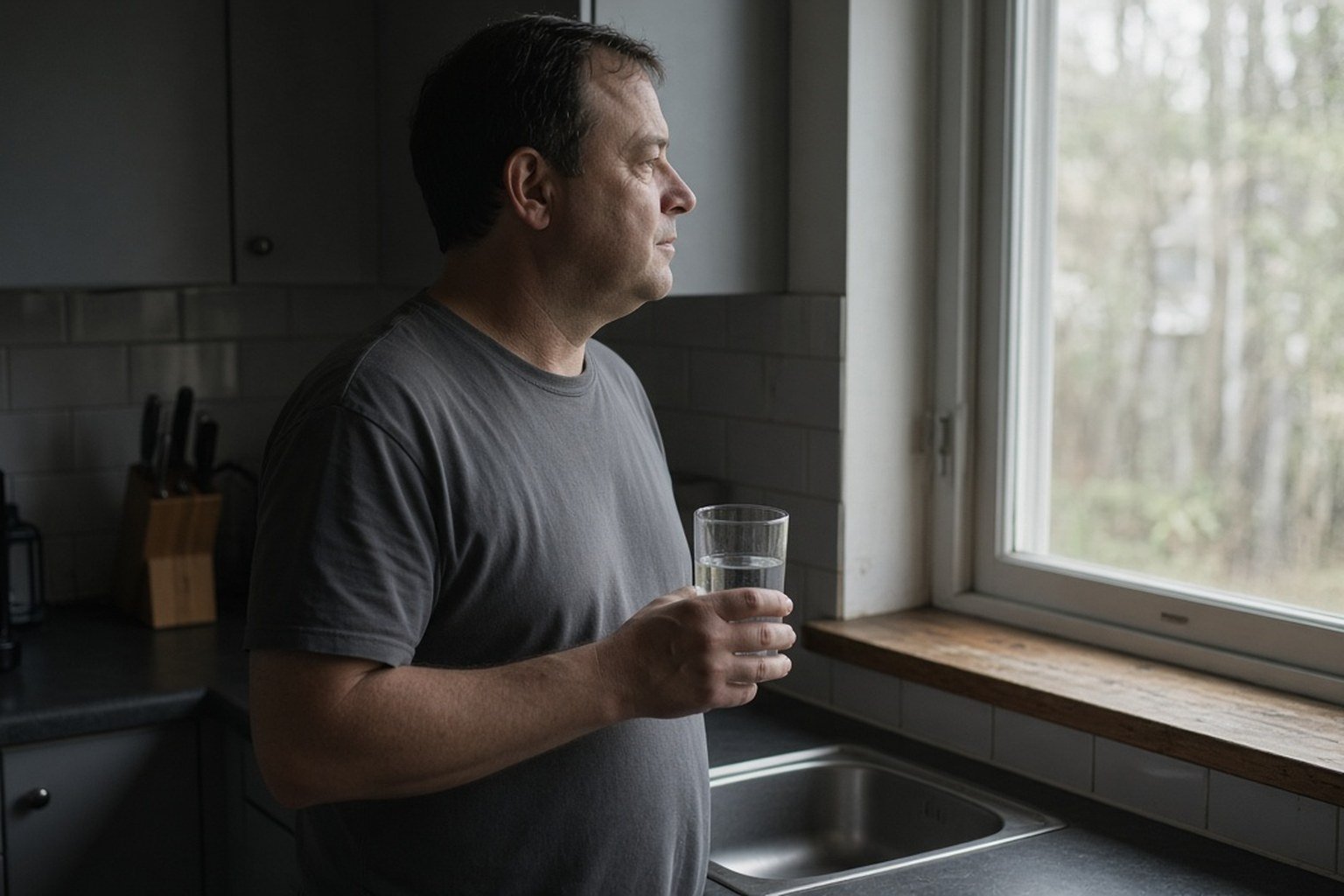
At 4am you are wide awake. Your heart is going faster than it should for someone lying still. There is a dread in your chest with no clear object, so your mind goes looking for one. You check the time, then your inbox. Then you go back over something you said in yesterday’s meeting.
Your partner is asleep beside you. By 7am you will be showered, dressed and looking fine, and nobody will know you have been awake for three hours. You tell yourself it is work. It has been a busy few months.
The 4am Feeling Has a Reason
This is not you being weak or dramatic. Anxiety is a recognised part of a hangover. Healthdirect, the Australian Government’s health information service, lists anxiety among the symptoms of a hangover, alongside headache, shakiness and tiredness.
The Alcohol and Drug Foundation calls it hangxiety and describes it as a common experience after drinking. It also says many of the anxious thoughts or feelings you have after drinking could be caused by chemical changes in your brain.
So the dread can start in your body. Your mind then supplies the reasons.
What Alcohol Does While You Sleep
Alcohol can make you drowsy and help you drop off. The trouble comes later. The Sleep Health Foundation says sleep after drinking is more disrupted in the second half of the night, with more frequent waking and night sweats. It adds that alcohol interferes with your body clock, which tells your body when to sleep and when to wake.
Then there is what happens as the alcohol wears off. While you drink, alcohol has a calming effect on the brain. As your body clears it, the brain works to get back to its usual balance. That can tip you the other way, towards feeling restless and on edge. The ADF says hangover symptoms, anxiety included, tend to be most severe when your blood alcohol level returns to zero.
If your last glass was at 10 or 11pm, that point can arrive in the early hours of the morning. It may be part of why 4am feels so familiar.
A racing heart and a sweaty, wakeful body are physical sensations. Lying in the dark, your mind can read them as a warning that something is wrong. Then it goes hunting for what that might be: the work email, the comment at dinner, the bill you have not paid.
Why It Can Feel Worse Over Time
One rough morning now and then is one thing. When it happens on most weekdays, the picture can change.
Healthdirect says long-term use of alcohol increases your risk of depression, anxiety and other mental health conditions. The ADF adds that people who already experience anxiety are more likely to get hangxiety. It also says the more you drink, the more intense hangover symptoms, including anxiety, might be.
If you already live with anxiety, or take antidepressant medication, the ADF suggests avoiding or limiting alcohol. It is worth asking your doctor or pharmacist whether anything you take interacts with it.
If your mornings are getting harder, it does not mean you are coping less well as a person. It may mean the amount or the frequency has crept up, and your body is responding to that.
When the Anxiety Becomes the Reason for the Next Drink
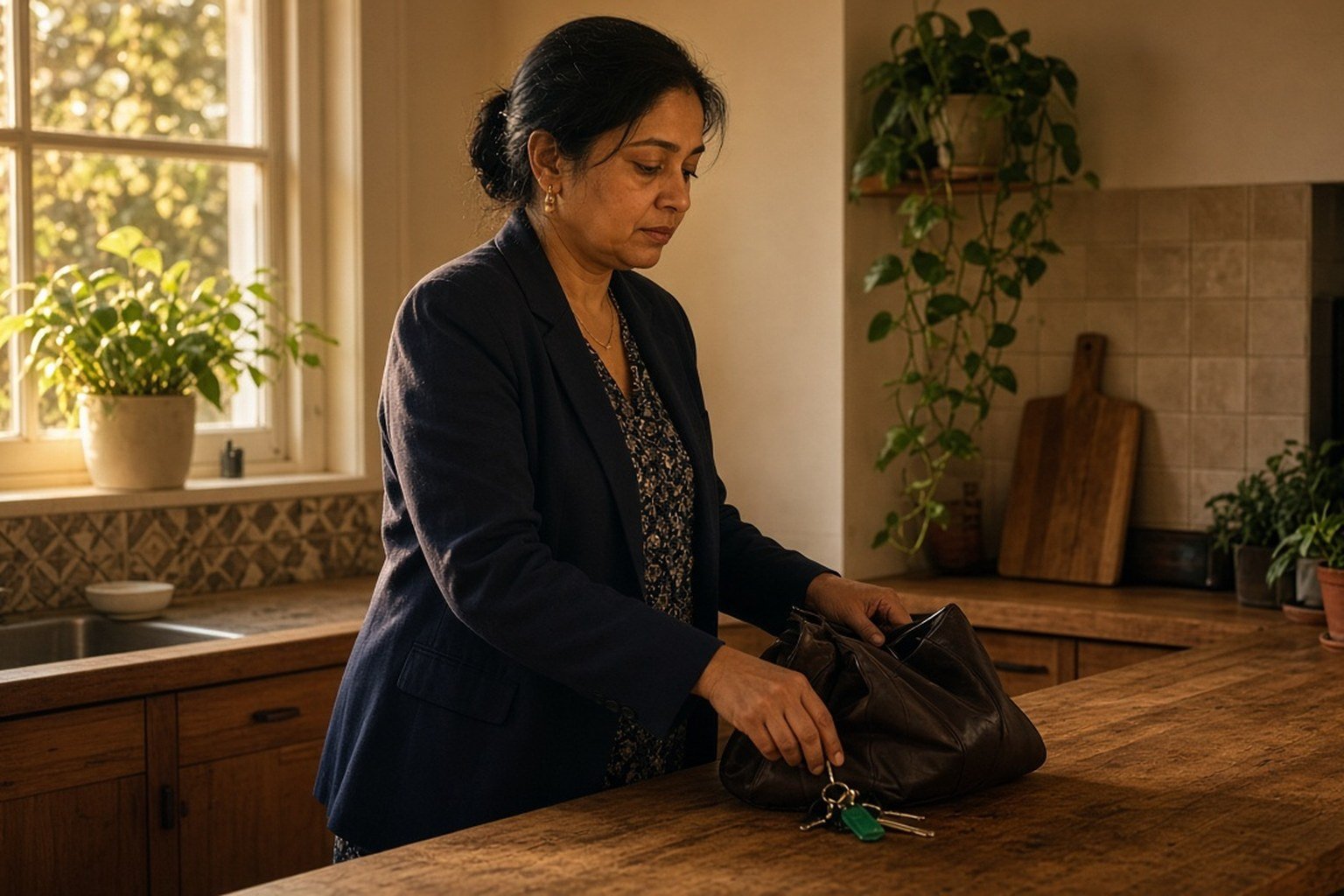
By 6pm the dread has been with you all day. You are tired from the early start, and a drink is the quickest way you know to switch the feeling off. It works, for a few hours.
That relief is real, which is what makes the loop so convincing. Researchers at the University of Sydney explain that alcohol may give short-term relief from anxiety but can make it worse in the long term. The two can end up feeding off each other. The ADF says the same about the morning itself: drinking more alcohol will likely just delay the anxiety.
Over time, the morning dread starts to feel like proof that you need the evening drink. The drink is part of what produced it.
We have written about the wider cycle of addiction, and why willpower on its own keeps losing that fight.
For some people, the anxiety came first. Alcohol was how they settled a mind that would not stop, long before the mornings got bad. If that sounds more like you, our article on how anxiety, depression and addiction interconnect looks at that side of it.
If It Happens Most Mornings
You do not need a label or a diagnosis to take this seriously. Waking with dread most mornings after drinking is reason enough to get help. Talk to your GP or doctor, or to someone who understands both alcohol and anxiety.
Some mornings bring more than worry. If you also wake sweating, shaky or sick, these can be signs of alcohol withdrawal. So can feeling that you need a drink before you can face the day.
If you drink heavily every day, do not stop suddenly without medical advice. Healthdirect says it can be unsafe to suddenly stop using an addictive substance, and that medical support is important. Where it is needed, medical detox at Foundations takes place in the residence with medical professionals, under 24/7 supervision.
Severe symptoms need emergency care. For a seizure, severe confusion, hallucinations, chest pain or difficulty breathing, call your local emergency services or go to the nearest emergency department. If you are in Australia, call 000.
The same goes if the anxiety has become so heavy that you may harm yourself or cannot stay safe. Foundations is a residential treatment programme, not an emergency or acute psychiatric service, so please get urgent help first.
Do the mornings ease once the drinking stops? We look at that in what happens when you stop drinking for 30 days.
Looking After the Anxiety and the Drinking Together

While you are still drinking, it can be hard to tell which one is driving the other. Our dual diagnosis page puts it plainly. You may no longer know what is caused by the substance, withdrawal, an underlying condition, medication or prolonged lack of sleep. Australian clinical guidelines describe integrated treatment, where one service treats both at the same time. It lets the people treating you explore how the two affect each other.
At Foundations, care for anxiety and depression begins with a proper understanding of what is happening. From there it can include individual counselling and psychiatric input where appropriate. There is also CBT-based work, emotional regulation and sleep support. If alcohol has become a way to cope, it can be addressed alongside your mental health without defining the whole reason you are seeking help. If the drinking is the bigger part, our alcohol addiction page explains how that is treated.
A residential programme also takes away the 6pm moment. It gives you enough distance to work on what is happening without returning to the same pressures each evening.
You do not need to work out whether it is the anxiety or the drinking first. Tell us what your mornings are like, and we can talk it through privately. You can share as much or as little as you feel comfortable with. A WhatsApp message to +62 813 384 0194 is enough to start.
If you are the partner lying awake next to them, you may see the pattern before they do. Our guide to supporting someone you love suggests speaking when they are as sober, calm and safe as possible. It also suggests describing specific things you have seen. You can get in touch with us too.
When you are ready, talk to someone at Foundations confidentially.