You have decided to look beyond Australia for addiction rehab.
Two destinations keep coming up: Bali and Thailand.
Both are closer than Europe or the US, can cost less than private rehab at home, and offer the opportunity to step away from the routines that keep pulling you back.
Now you are comparing them. Maybe you have a few tabs open about Bali vs Thailand rehab, but after a while, they all start to look the same.
In this guide, we will help you understand the key differences between rehab in Bali and Thailand, so you can make a more informed decision about your recovery.
Does It Matter Whether You Choose Bali or Thailand?
Is rehab really that different between the two?
It is worth knowing that both countries have established addiction treatment centres. However, they can be quite different in terms of location, accessibility, treatment options and the experience they offer international clients.
Thailand has a larger rehab market spread across the country, with a longer history of treating international clients.
Bali is a single island with fewer treatment centres, but it has also become a well-known destination for addiction rehabilitation.
For Australians, Bali’s proximity is one factor worth considering. It can affect how easy the journey is, how accessible family visits are, and how smoothly you can transition back into life at home.
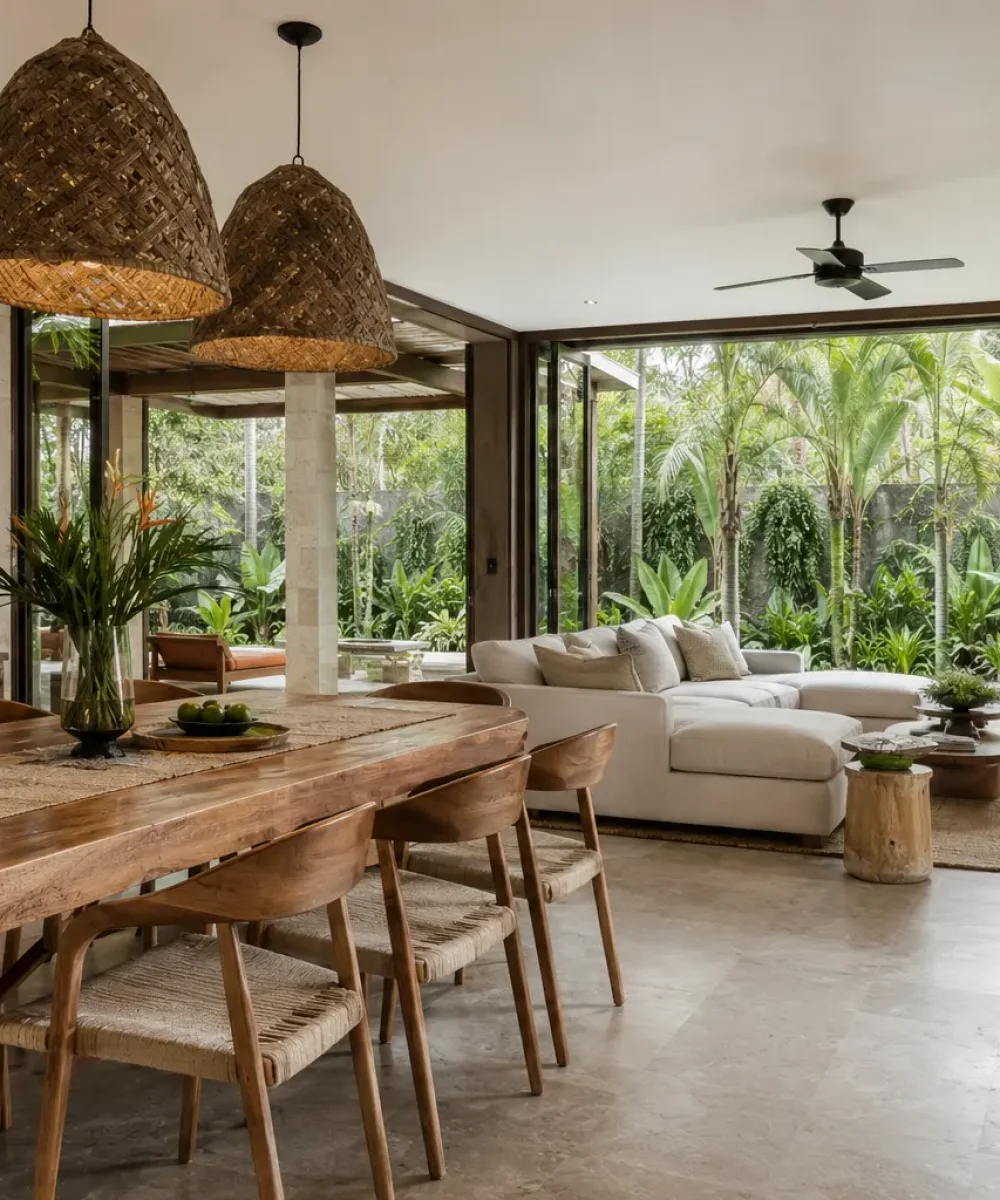
These are important considerations that you will not see in photographs of a treatment centre. They can have a meaningful impact on your experience of rehab.
The view is the least important part.
The Main Differences Between Rehab in Bali and Thailand for Australians
Getting There from Australia
If you are considering rehab in Thailand, the journey itself may be an important factor. You might feel anxious, physically unwell, or still be drinking or using substances right up until your departure. Having a straightforward journey can make the process feel more manageable.
From Australia, Bali is one of the closest international destinations for rehab.
- Perth: Direct flights to Bali take under four hours.
- Adelaide: Direct flights take just over five hours.
- Melbourne: Direct flights take just over six hours.
- Brisbane: Direct flights take just over six hours.
- Sydney: Direct flights take around six and a half hours, with several departures daily.
Thailand’s direct flights from Australia mainly arrive in Bangkok or Phuket. However, many rehab centres are located elsewhere in the country.
For example, travelling from Sydney to Chiang Mai may require a connecting flight. Reaching centres on islands such as Koh Samui or Koh Phangan can involve an additional domestic flight, ferry journey, or both.
The total travel time depends on your departure city and the location of the rehab centre.
A shorter and simpler journey may be one less thing to worry about when you are preparing to begin treatment.
Family Visits and Involvement

Going away for rehab does not mean you have to do it alone.
Research highlights the value of family involvement in addiction treatment, including its potential contribution to treatment engagement, retention and recovery outcomes. Positive family support can also play an important role in long-term recovery.
Source: SAMHSA: Substance Use Disorder Treatment and Family Therapy
This makes accessibility an important factor when comparing treatment destinations.
For Australians, travelling to Bali for a family visit usually involves a single international flight. Many Australians are already familiar with Bali, from navigating the airport to finding accommodation and arranging transport.
There are accommodation options at different price points, and family members may be able to plan a shorter visit around their work commitments.
Reaching a rehab centre in northern Thailand or on a smaller island can involve more planning. Your family may need connecting flights, additional transport, or a ferry, depending on the location.
That does not make visits impossible. However, the extra travel time and cost are worth considering when family involvement is part of your recovery plan.
Regulation and Licensing
Thailand has a national regulatory framework for healthcare facilities, including licensing requirements for relevant private healthcare and rehabilitation services. The specific requirements depend on the type of facility and services provided.
In Indonesia, rehabilitation services operate under different regulatory and licensing arrangements. The way a centre is registered, and who oversees its clinical care, can vary between facilities.
This means you should not assume that every rehab centre follows the same standards or operates under the same level of oversight.
The important point is to check the credentials of the specific centre you are considering.
Ask about:
- The centre’s registration and operating licences.
- The qualifications of its clinical staff.
- Who is responsible for medical care.
- How emergencies are managed.
- Whether the treatment programme follows established clinical practices.
A reputable centre should be able to answer these questions clearly and transparently, regardless of whether it is located in Bali or Thailand.
Treatment Approach
Both Bali and Thailand offer a variety of addiction treatment programmes.
Some centres use the 12-step approach associated with organisations such as Alcoholics Anonymous (AA). Others focus on therapies such as cognitive behavioural therapy (CBT), which explores the relationship between thoughts, feelings and behaviour. Many programmes combine different approaches.
Thailand’s larger rehab market offers a wide range of treatment settings, including highly clinical programmes.
In Bali, you will find everything from wellness-focused retreats to structured addiction treatment centres. However, not every place that calls itself a rehab offers the same level of therapy or clinical support.
Look beyond the photographs and marketing.
The right treatment approach depends on your individual needs. What matters is that evidence-informed therapy and appropriate support are central to the programme, rather than optional extras.
If you are also experiencing anxiety, depression or trauma, look for a centre that can assess and address both addiction and co-occurring mental health concerns.
Size and Staffing
The size of a rehab programme can influence your day-to-day experience and the amount of individual attention you receive.
In a smaller group, staff may have more opportunities to get to know you and notice changes in your mood, sleep or behaviour.
Bali has a range of smaller, boutique-style rehabilitation programmes. Thailand offers both smaller centres and larger facilities with bigger group sizes.
Larger programmes may provide a wider peer community and more varied group experiences. Smaller programmes may offer a more intimate setting and closer individual attention.
However, the number of people a centre can accommodate does not tell you everything.
Ask about:
- The number of residents currently in treatment.
- The staff-to-resident ratio.
- Who is on duty during the day and overnight.
- The qualifications and experience of the clinical team.
- How much individual therapy each resident receives.
The number of people staying at the centre today may tell you more than its maximum advertised capacity.
Visas and Length of Stay
For Australians travelling to Bali, the appropriate visa depends on the purpose and length of their stay. Australians may be eligible for an e-Visa on Arrival for short visits, subject to current Indonesian immigration requirements.
If you are planning a longer rehab programme, you may need an extension or a different visa category.
A reputable treatment centre should be able to explain the practical considerations and direct you towards the relevant immigration requirements. However, visa eligibility and approval depend on Indonesian immigration authorities.
Thailand has its own entry and visa requirements, which vary according to your nationality, purpose of travel and planned length of stay.
Visa rules in both countries can change. Always check the latest requirements through official government sources before travelling.
Your treatment provider can help you understand the general process, but you should confirm that your visa allows your intended stay and activities.
Final Thoughts: Choosing the Right Rehab for You
Bali and Thailand both offer addiction rehabilitation options for Australians. The right choice depends on more than the location, price or appearance of a centre.
Consider the quality of clinical care, the treatment approach, the level of supervision, family accessibility and how well the programme meets your individual needs.
Take the time to ask questions, check credentials and understand what is included in the programme.
Your recovery deserves a decision based on the quality of care, not just the destination.